The Impact of the Strait of Hormuz Crisis on Maritime Shipping Costs in 2026
The Impact of the Strait of Hormuz Crisis on Maritime Shipping Costs in 2026
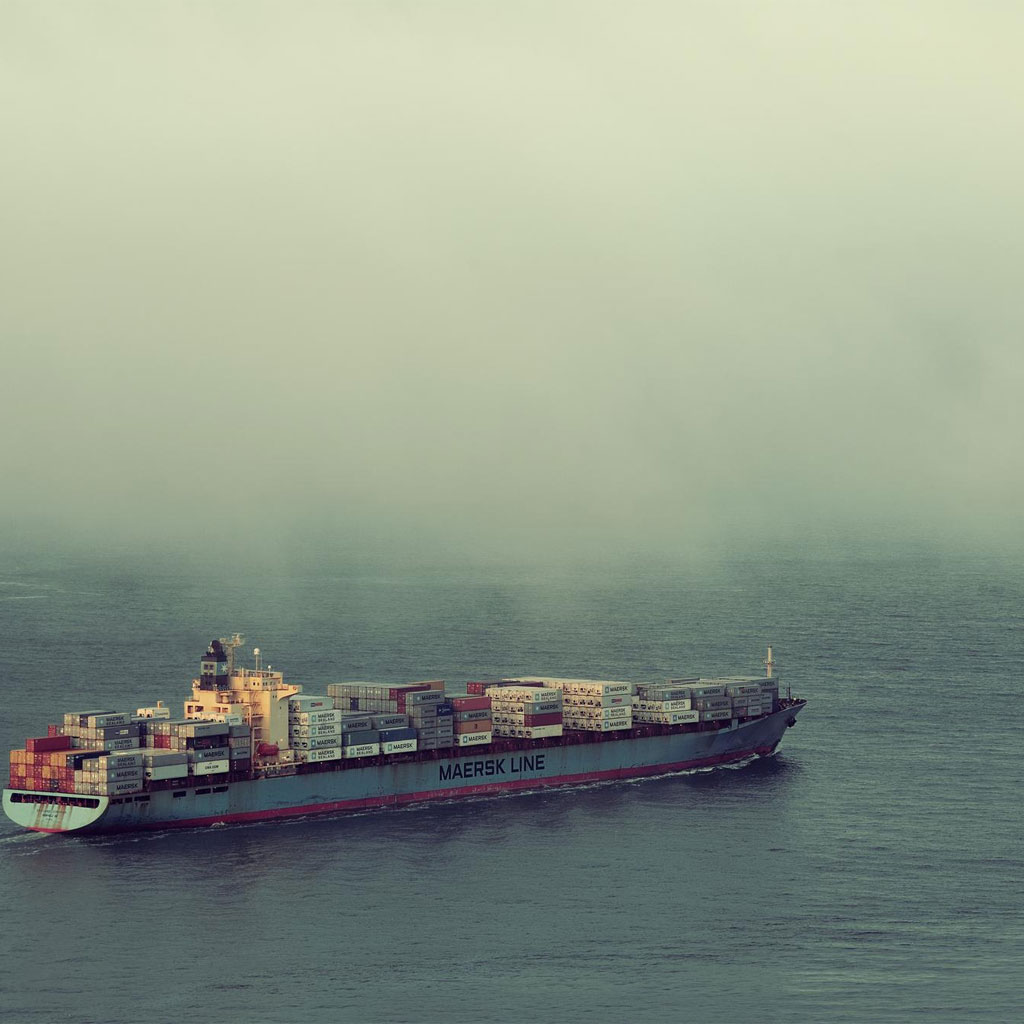
The Strait of Hormuz is one of the world’s most strategic maritime routes and plays a critical role in global shipping and international trade. Millions of barrels of oil and large volumes of commercial cargo pass through this waterway every day. With rising political and security tensions in the Persian Gulf region in 2026, maritime shipping costs have increased significantly, creating new challenges for shipping companies, importers, and exporters.
In this article, we examine the impact of the Strait of Hormuz crisis on shipping costs, marine insurance, cargo transit times, and the future of Iran’s maritime trade.

Why Is the Strait of Hormuz Important for Maritime Transportation?
Strait of Hormuz is considered one of the world’s most important maritime chokepoints. A large portion of global oil exports, gas shipments, and commercial cargo transit through this route. Any political or military tension in the region can directly affect global supply chains and international shipping operations.
The importance of the Strait of Hormuz for Iran includes:
- Main route for maritime imports and exports
- Connection between Iranian southern ports and global markets
- Passage for container ships and oil tankers
- Direct impact on shipping costs from China and the UAE
Rising Maritime Shipping Costs in the Persian Gulf
As tensions in the Strait of Hormuz intensify, international shipping companies have increased their service rates. The main reasons behind higher maritime freight costs include:
1. Increased Marine Insurance Costs
International insurance providers have raised war-risk and maritime security insurance premiums due to growing regional instability. This has directly increased the final cost of cargo transportation.
2. Longer Shipping Routes
Some shipping lines are choosing alternative routes to reduce operational risks, resulting in higher fuel consumption and longer delivery times.
3. Reduced Shipping Capacity
During periods of geopolitical tension, some shipping companies limit their regional operations, reducing vessel availability and increasing freight rates.
Impact of the Hormuz Crisis on Iran’s Imports and Exports
Iranian importers and exporters are among the most affected by disruptions in the Strait of Hormuz. Rising maritime transportation costs may lead to:
- Higher prices for imported goods
- Delays in customs clearance
- Increased logistics expenses
- Container price fluctuations
- Reduced profit margins for traders and businesses
Shipping Cargo from China to Iran
One of the trade routes most affected by the Strait of Hormuz crisis is cargo transportation from China to Iran. Many shipping companies have increased their freight rates for routes connecting China, the UAE, and Iranian southern ports.
Major Iranian ports affected include:
- Bandar Abbas
- Imam Khomeini Port
- Bushehr Port
All of these ports are directly influenced by the regional security situation.
Is There a Risk of the Strait of Hormuz Being Closed?
Experts believe that a complete closure of the Strait of Hormuz is unlikely because of its global economic importance. However, even limited regional tensions can create major fluctuations in maritime transportation markets.
If tensions escalate:
- Container shipping rates may rise further
- Cargo transit times may increase
- Marine insurance costs may continue to grow
Solutions Used by Maritime Shipping Companies
Professional shipping and logistics companies often take the following measures to reduce risks related to the Hormuz crisis:
- Selecting safer shipping routes
- Using comprehensive insurance coverage
- Providing real-time updates to customers
- Improving cargo scheduling and logistics planning
- Cooperating with reliable shipping lines
Conclusion
The Strait of Hormuz crisis in 2026 has had a direct impact on maritime shipping costs, marine insurance rates, and international trade operations. As tensions continue in the Persian Gulf region, traders and shipping companies must carefully manage risks through strategic planning and reliable logistics partnerships.
If you are planning to import or export goods, working with a trusted maritime shipping company can help reduce both costs and operational risks.