
Are Autonomous Vehicles the Future of Freight Transportation
Are Autonomous Vehicles the Future of Freight Transportation?
Introduction
The transportation industry has been evolving rapidly in recent years, with innovative technologies playing a major role in this transformation. One of the most significant technologies attracting the attention of leading global companies is Autonomous Vehicles. This technology has the potential to completely transform the way goods are transported while addressing many of the current challenges facing the logistics industry.
Rising transportation costs, the shortage of professional drivers, the rapid growth of e-commerce, and the increasing demand for faster deliveries have significantly boosted investments in Autonomous Vehicles in recent years. Many leading technology companies and vehicle manufacturers are developing intelligent trucks and commercial vehicles capable of transporting goods without requiring a human driver.
In this article, we examine whether Autonomous Vehicles truly represent the future of freight transportation or whether significant obstacles still stand in the way of their widespread adoption.
What Are Autonomous Vehicles?
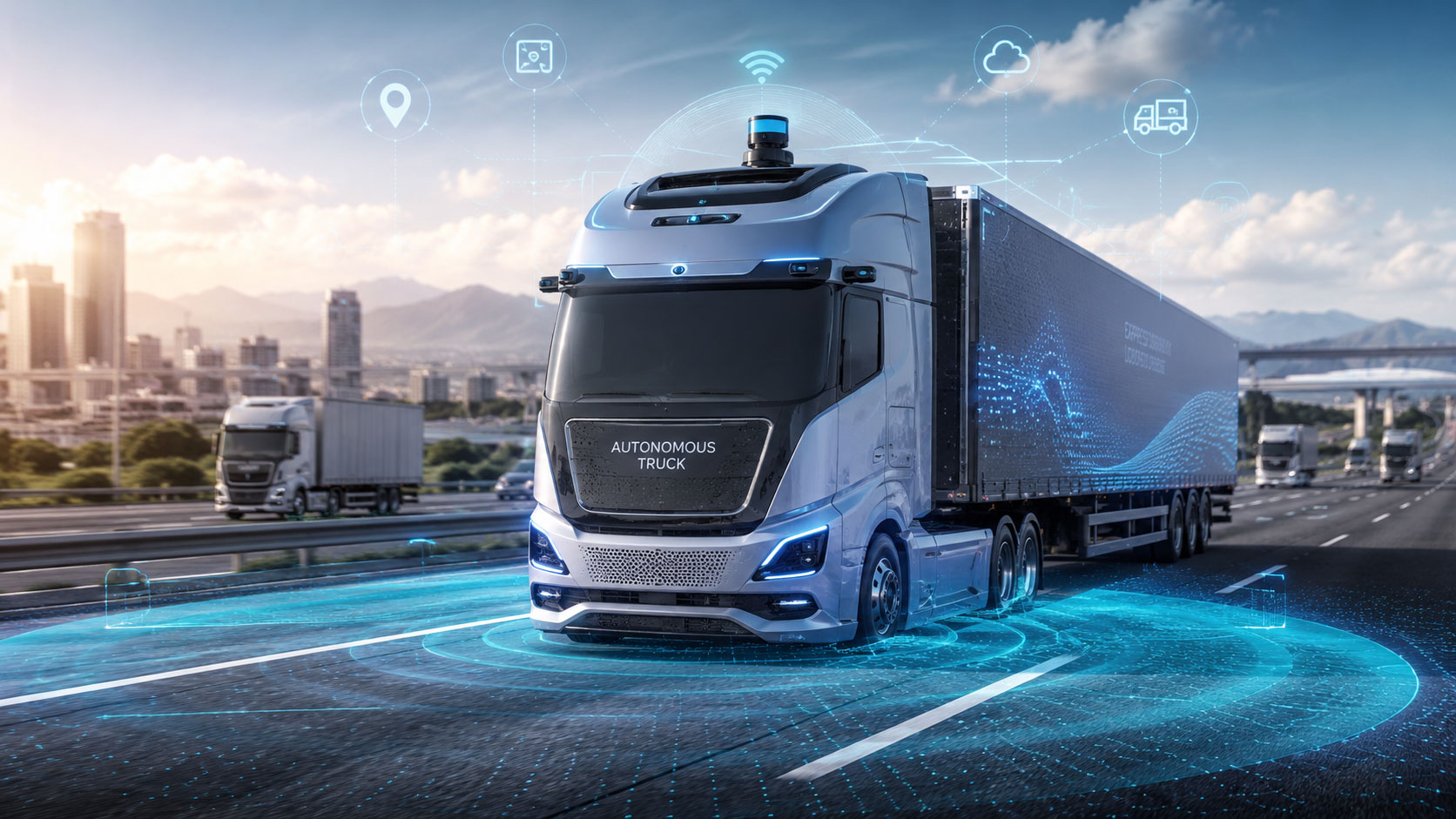
Autonomous Vehicles are vehicles that use artificial intelligence, advanced sensors, cameras, radar, LiDAR, and positioning systems to operate without direct human intervention.
These vehicles continuously collect information from their surroundings and analyze real-time data to make the best decisions regarding driving, stopping, changing lanes, or avoiding collisions.
In freight transportation, this technology is primarily used in autonomous trucks, urban delivery vehicles, and automated warehouse equipment.
Why Are Autonomous Vehicles Important?
Today, the logistics industry faces numerous challenges. Rising fuel prices, driver shortages, delivery delays, and human errors are among the industry’s biggest concerns.
Autonomous Vehicles have the potential to minimize many of these challenges while significantly improving transportation efficiency.
Some of the major benefits of this technology include:
- Lower transportation costs
- Improved road safety
- Faster cargo delivery
- Reduced human errors
- Higher fleet productivity
- Lower fuel consumption
- Better route management
The Role of Artificial Intelligence in Autonomous Vehicles
Artificial intelligence is the driving force behind Autonomous Vehicles.
Intelligent systems analyze millions of data points every second, evaluating road conditions, surrounding vehicle speeds, traffic signs, and weather conditions.
This capability enables autonomous vehicles to make decisions more quickly and accurately than many human drivers.
AI applications in autonomous vehicles include:
- Obstacle detection
- Route planning
- Predicting the behavior of other drivers
- Speed management
- Emergency braking
- Pedestrian detection
Reducing Transportation Costs
One of the primary reasons companies are investing in Autonomous Vehicles is the reduction of operational costs.
In traditional transportation, a substantial portion of expenses comes from driver salaries, mandatory rest periods, insurance, and human-related errors.
Intelligent vehicles can operate for longer periods with fewer interruptions.
Additionally, optimized route selection reduces fuel consumption while lowering overall fleet maintenance costs.
Improving Freight Transportation Safety
A significant percentage of road accidents occur due to driver fatigue, drowsiness, or human error.
Autonomous Vehicles can reduce many of these risks by utilizing advanced sensors and intelligent driving systems.
The safety benefits include:
- Faster response to hazards
- Strict compliance with traffic regulations
- Maintaining safe following distances
- Better speed control
- Reduced accident risk
Faster Cargo Deliveries
One of the primary objectives of logistics companies is reducing delivery times.
Autonomous Vehicles can execute transportation schedules more efficiently without being limited by driver working hours.
These vehicles also utilize intelligent navigation systems that automatically select the most efficient routes based on real-time traffic conditions.
As a result, delivery times decrease while customer satisfaction increases.
The Connection Between Autonomous Vehicles and the Internet of Things
One of the key features of Autonomous Vehicles is their continuous connection to the Internet of Things (IoT).
This connectivity enables real-time transmission of information such as:
- Geographical location
- Vehicle status
- Fuel consumption
- Weather conditions
- Cargo status
- Traffic conditions
Fleet managers can use this information to make more accurate operational decisions.
Autonomous Vehicles in Warehouses
The applications of Autonomous Vehicles extend far beyond public roads.
Today, many smart warehouses utilize autonomous vehicles to transport goods internally.
These vehicles can:
- Move goods throughout the warehouse.
- Prepare customer orders.
- Manage internal warehouse routes.
- Reduce order processing times.
As a result, warehouse operations become faster and more efficient.
Challenges of Autonomous Vehicle Adoption
Despite their many advantages, the widespread adoption of Autonomous Vehicles still faces several challenges.
The most significant challenges include:
- High technology development costs
- The need for smart infrastructure
- Unclear laws and regulations
- Cybersecurity concerns
- Public acceptance
- Legal liability in the event of accidents
Addressing these challenges requires close collaboration between governments, technology companies, and vehicle manufacturers.
Leading Companies Developing Autonomous Vehicles
Today, many of the world’s largest companies are investing heavily in the development of Autonomous Vehicles.
Some of the best-known companies include:
- Tesla
- Waymo
- Aurora Innovation
- Volvo Trucks
- Daimler Truck
- Torc Robotics
- Plus AI
These companies have invested billions of dollars in developing intelligent transportation technologies.
Will Autonomous Vehicles Replace Human Drivers?
One of the most frequently asked questions about Autonomous Vehicles is whether they will eventually replace human drivers.
Many experts believe that in the near future, autonomous vehicles will primarily serve as driver assistance systems, with human supervision still required for many transportation routes.
Over the long term, while some jobs may change, new career opportunities will emerge in fleet management, software development, cybersecurity, and intelligent vehicle maintenance.
The Future of Autonomous Vehicles in Logistics
Industry forecasts indicate that the adoption of Autonomous Vehicles will accelerate rapidly over the coming years.
Several factors are expected to drive this growth:
- Advancements in artificial intelligence
- Expansion of the Internet of Things
- Improved sensor technologies
- Lower manufacturing costs
- Development of smart infrastructure
- Growing investments by international companies
As this technology continues to evolve, freight transportation will become faster, safer, and more cost-effective.
Frequently Asked Questions
How do Autonomous Vehicles work?
Autonomous Vehicles use artificial intelligence, cameras, sensors, radar, LiDAR, and positioning systems to analyze their surroundings and operate without direct driver intervention.
What is the biggest advantage of Autonomous Vehicles?
Lower transportation costs, improved safety, fewer human errors, and faster cargo deliveries are among the biggest advantages of Autonomous Vehicles.
Are Autonomous Vehicles the future of freight transportation?
Yes. Many experts believe that as technology advances and legal challenges are resolved, autonomous vehicles will become one of the main pillars of the transportation and logistics industry.
Conclusion
Autonomous Vehicles are among the most important technologies shaping the future of freight transportation. Powered by artificial intelligence, the Internet of Things, and advanced navigation systems, they can reduce transportation costs, improve safety, and shorten delivery times.
Although challenges such as regulations, infrastructure, and initial investment costs still remain, the growing investments made by leading global companies indicate that the adoption of Autonomous Vehicles will accelerate significantly in the coming years. Companies that begin preparing for this technology today will gain a substantial competitive advantage in the future.