Comprehensive Guide to Specialized Liquid Transport
Comprehensive Guide to Specialized Liquid Transport: Flexi Tanks, ISO Tanks, and Cross-Stuffing Operations
In the world of international trade, liquid transportation has always been one of the most challenging areas of logistics. From chemicals and petroleum products to edible oils and food-grade liquids, every shipment requires specific conditions for safe and economical handling. Among these, Flexi Tanks and ISO Tanks have revolutionized the industry as two modern and efficient solutions. In this article, we take an in-depth look at these two methods, their applications, advantages, challenges, and the specialized cross-stuffing process provided by Irsa Darya Logistics.
What Is a Flexi Tank and How Does It Work?
A Flexi Tank is a large, single-use polyethylene bag with multiple layers that is installed inside standard 20-foot containers. With a typical capacity of between 16,000 and 24,000 liters, these bags convert a dry container into a liquid transport tank.
Structure and Components of a Flexi Tank
A standard Flexi Tank consists of three main layers:
- Outer Layer: Woven polypropylene fabric that provides mechanical strength.
- Inner Layers: Multi-layer co-extruded food-grade polyethylene that prevents leakage and contamination.
- Discharge Valve and Flange: Made of food-grade stainless steel, allowing controlled discharge.
Applications of Flexi Tanks
This system is designed for transporting a wide range of non-hazardous liquids:
- Food Products: Vegetable oils, glucose syrup, fruit juice concentrate, liquid sugar, sauces, and honey.
- Industrial Materials: Lubricating oils, detergents, latex, glycol, and glycerin.
- Non-Corrosive Chemicals: Such as ammonium thiosulfate and softeners.
Key Advantages of Flexi Tanks
- Cost-Effectiveness: Low initial cost and no need for return shipping make it a cost-efficient option. Research shows that logistics costs with Flexi Tanks are reduced by up to 29% compared to 200-liter metal drums.
- High Hygiene: The single-use design reduces the risk of cross-contamination to zero and requires no washing.
- Higher Capacity: A 20-foot container with a Flexi Tank loads 15% more than IBC containers and 40% more than metal drums.
ISO Tank; A Global Standard Metal Tank
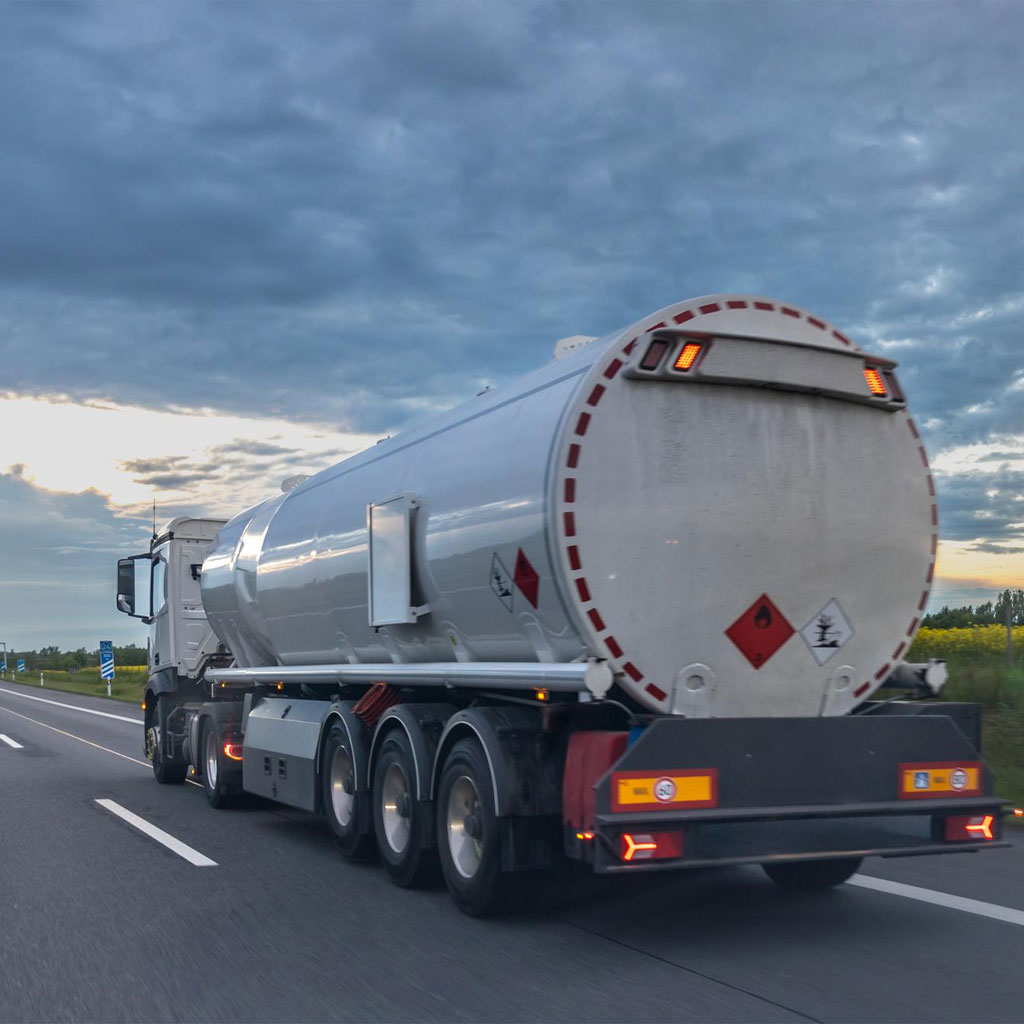
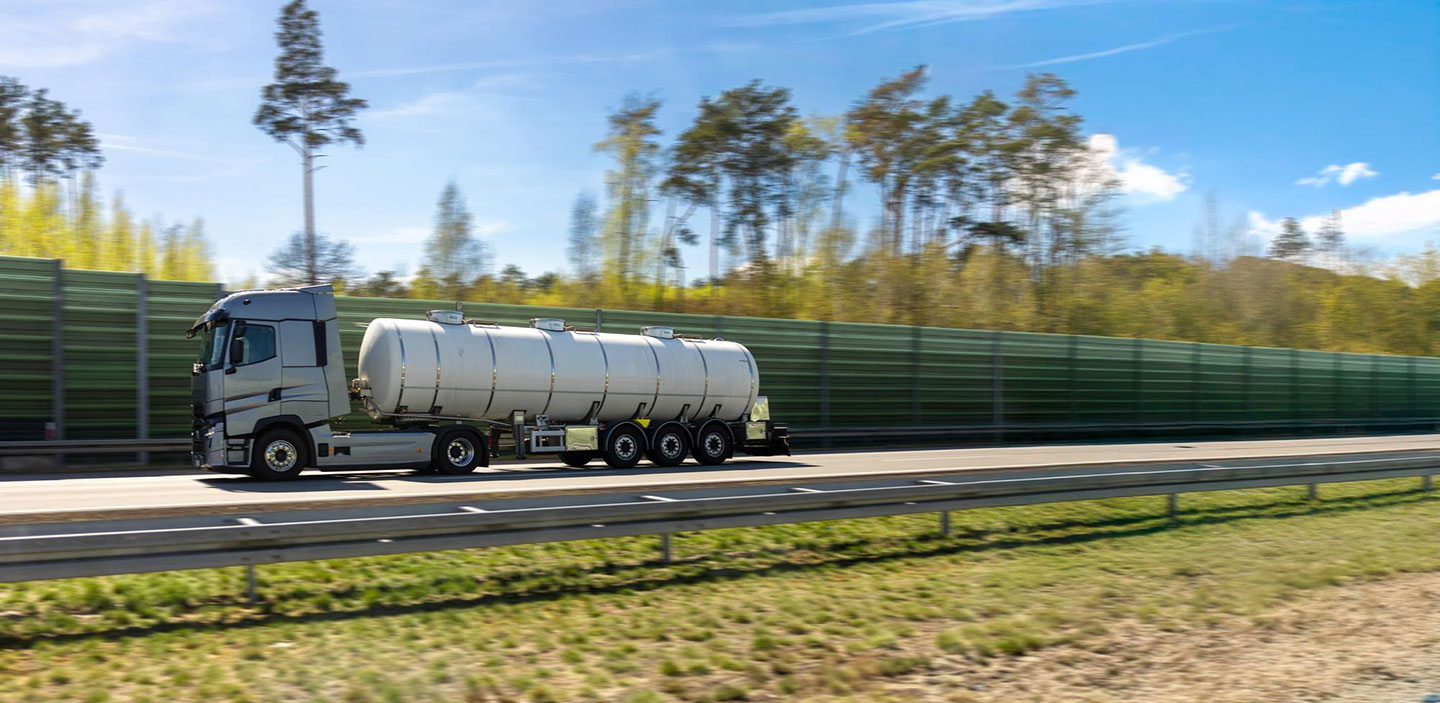
An ISO Tank is a cylindrical stainless steel tank housed within a frame compliant with ISO standards (20-foot container). Unlike Flexi Tanks, an ISO Tank is reusable and highly durable equipment.
Structural Features of ISO Tanks
- Stainless Steel Tank: Resistant to corrosion, pressure, and temperature changes.
- Standard Support Frame: Allows handling with cranes, forklifts, and multimodal transport (sea, rail, road).
- Safety Systems: Equipped with pressure relief valves, safety valves, and thermal insulation suited to the cargo type.
Applications of ISO Tanks
Due to their high safety, ISO Tanks are suitable for a broader range of liquids, including hazardous materials:
- Hazardous Chemicals: Acids, bases, solvents, and corrosive substances.
- Liquefied Gases: Such as LPG and liquid ammonia.
- Petroleum Products and Fuels.
- Sensitive Food Products: With Food Grade internal lining.
Advantages and Challenges of ISO Tanks
Advantages:
- Very high safety in transporting hazardous materials.
- Resistance to pressure and impact.
- Reusability and long-term cost reduction.
Challenges:
- High initial cost for purchase or lease.
- Need for washing and maintenance after each use.
- Return shipping cost when empty.
Comprehensive Comparison of Flexi Tanks and ISO Tanks
| Feature | Flexi Tank | ISO Tank |
| Material | Multi-layer polyethylene bag | Stainless steel tank |
| Reusability | Single-use | Reusable |
| Suitable for Hazardous Materials | No | Yes |
| Initial Cost | Low | High |
| Washing Required | No | Yes |
| Standard Capacity | 16,000 – 24,000 liters | 21,000 – 26,000 liters |
| Damage Resistance | Moderate | Very High |
Cross-Stuffing Operations; A Smart Solution to Overcome Restrictions
One of the main challenges of transporting liquids to destinations like Iran is the restrictions caused by international sanctions. Many shipping lines are unable to offer direct Transshipment services to Iran. In such circumstances, Cross-Stuffing operations, or container switching, are considered a key solution.
What Is Cross-Stuffing and How Does It Differ from Transshipment?
Cross-Stuffing is a process in which the cargo (usually liquid inside a Flexi Tank) is unloaded from one container and transferred to another. This is typically done at an intermediate port (such as Dubai or a European port) so that the new container can be sent to the final destination with a different bill of lading and route.
The key difference between Cross-Stuffing and regular transshipment is that in transshipment, the container itself (with the same contents) is transferred from one ship to another, whereas in Cross-Stuffing, the contents of the container are transferred to a new container with different specifications. This method is specifically designed to bypass sanctions and change the origin or route of the cargo.
Advantages and Challenges of Cross-Stuffing
Advantages:
- Overcoming Sanction Restrictions: Enables shipment to countries that lack direct access to major shipping lines.
- Reduced Delivery Time: In some cases, this method can reduce transit time compared to alternative routes.
- No Warehousing Required: Goods are transferred directly from one container to another.
Challenges and Risks:
- Need for Precise Coordination: Timing must be such that ships coincide at the intermediate port. The slightest error leads to delays.
- Additional Cost: Cross-Stuffing operations increase shipping costs.
- Risk of Cargo Damage: Physical handling of cargo (especially liquids) requires extremely high precision.
The Role of Irsa Darya Logistics in Specialized Cross-Stuffing
Irsa Darya Logistics, leveraging its experience, standard equipment, and collaboration with reputable international partners, manages cross-stuffing operations for liquid cargo in Flexi Tanks with the utmost precision. By performing these operations at intermediate ports such as Dubai, the company enables the transport of liquid goods for Iranian traders. Irsa’s expertise in this field has made it one of the reliable options for importing liquids from distant origins.
Conclusion and Selection Guide
Choosing between a Flexi Tank and an ISO Tank, as well as deciding on using Cross-Stuffing, depends on several factors:
- If you are looking for economical, one-time transport of non-hazardous liquids (such as edible oil or syrup), a Flexi Tank is the ideal choice. Low cost and high hygiene are among its key advantages.
- If your cargo includes hazardous chemicals, liquefied gases, or valuable and sensitive goods that require high safety and durability, an ISO Tank is the safer option, although it is more expensive.
- If your cargo is being shipped to a country with sanctions restrictions where major shipping lines do not operate, using Cross-Stuffing services is an unavoidable and effective solution that requires collaboration with an experienced logistics company like Irsa Darya Logistics.