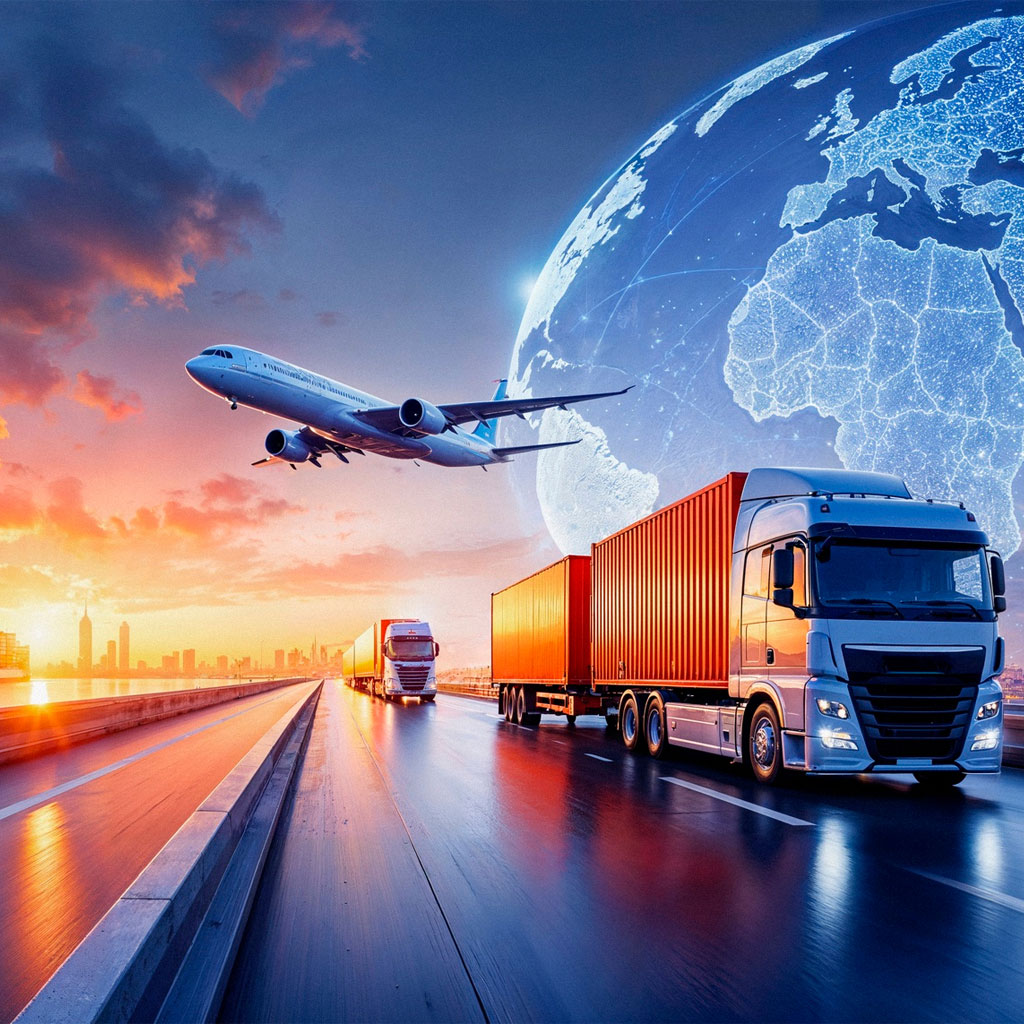
What Is Combined Transport?
What Is Combined Transport? A Complete Guide to Types, Benefits, and Freight Transportation Methods
Combined transport is a practical method of international freight transportation in which two or more modes of transport, such as sea, road, rail, or air, are used to move goods from their origin to their final destination. This approach helps trading companies, importers, and exporters choose a more suitable shipping solution based on cargo type, route, delivery time, and budget.
In international trade, it is not always possible to transport goods directly using a single mode of transport. In some cases, sea freight is more economical for the main part of the journey, but trucks or trains are needed to move the goods from the port to the final warehouse. In such situations, combining different transportation methods can make the shipping process more efficient.
However, choosing combined transport does not simply mean using several vehicles. Coordination between different stages of transportation, route planning, document management, cargo transfer scheduling, and cost control are also essential.
In this article, we explain what combined transport is, the main types available, how it works, and when it can be a suitable option for freight transportation.
What Is Combined Transport?
Combined transport refers to a method of moving goods from their origin to their final destination using multiple modes of transportation. For example, a shipment may first be transported by truck to a railway terminal, then carried by train to another city, and finally delivered to the buyer’s warehouse by truck.
In international trade, combining transportation methods allows companies to benefit from the advantages of each mode along the most suitable sections of a route. Sea freight is widely used to move large volumes of cargo over long distances, rail can be an appropriate option for certain long-distance land routes, and road transport provides the flexibility needed to deliver goods directly to their destination.
Combined transport is often considered for the following purposes:
- Managing transportation costs more effectively
- Using alternative routes under specific circumstances
- Increasing flexibility in freight planning
- Reaching destinations where direct transportation is difficult
- Combining sea, rail, and road transport capacity within a single route
- Improving coordination throughout the international supply chain
It is important to note that the terms combined transport, multimodal transport, and intermodal transport are sometimes used with similar or different meanings across the logistics industry. In the specialized European definition, combined transport generally refers to a system in which the main part of the journey is completed by rail, inland waterways, or short sea shipping, while road transport is used for the initial or final part of the journey. However, in general commercial usage, the term is sometimes used more broadly to describe shipments involving several transportation modes.
What Are the Main Types of Combined Transport?
The choice of combined transport depends on the route, cargo type, shipment volume, infrastructure limitations, and required delivery time. The following combinations are among the most common approaches to domestic and international freight transportation.
1. Combined Sea and Road Transport
In this method, goods travel part of the route by ship and the remaining distance by truck. This combination is widely used in international trade, particularly when cargo needs to travel from one country to another by sea before being delivered to its final destination.
For example, an imported shipment may arrive by ship at Bandar Abbas Port in Iran and then be transported by truck to the buyer’s warehouse in Tehran after completing the necessary customs procedures.
This method can be suitable for goods that do not require extremely urgent delivery and for which transportation costs are an important consideration.
2. Combined Sea and Rail Transport
In this model, sea freight is used for the main transportation leg, while rail carries the goods through the remaining land route. This combination can be practical when ports have suitable connections to the railway network.
For example, an imported container may arrive at a seaport, be transferred to a railway terminal, and then travel by train to an inland destination or another region.
The advantages of this method depend on rail network capacity, train schedules, terminal facilities, and the cost of transferring cargo between the port and its final destination.
3. Combined Road and Rail Transport
In combined road and rail transport, trucks are generally used to move goods to a railway terminal and deliver them from the destination terminal to the final delivery point. The main part of the journey can then be completed by train.
This method is worth considering for shipments that need to cover long distances over land. Using rail for the main transportation leg may help reduce pressure on road networks and improve transportation efficiency.
However, railway terminal access, train schedules, loading and unloading costs, and cargo transfer times should be evaluated before choosing this option.
4. Combined Air and Road Transport
In this method, one part of the journey is completed by aircraft and another by truck. Air freight is generally used for high-value goods, urgent shipments, or products for which delivery time is particularly important.
For example, a shipment may arrive at an airport in the destination country by air and then be transported by truck to a warehouse or the recipient’s premises after the required procedures have been completed.
This method can be more expensive than some other transportation combinations. Therefore, the value of the goods, delivery urgency, and available budget should be carefully evaluated before selecting it.
5. Combined Road, Sea, and Rail Transport
In some complex international routes, using three transportation modes may be a practical solution. For example, goods may travel by truck from a factory to a seaport, continue by ship to another port, and then be transported by train to an inland terminal.
This type of shipment requires closer coordination between transportation companies, terminals, and customs procedures. However, when the route is planned properly, it can provide access to a wider range of destinations.
What Is the Difference Between Combined, Multimodal, and Intermodal Transport?
These three terms are often used interchangeably in commercial discussions, but they do not always refer to exactly the same concept in specialized logistics terminology. Understanding the differences can help businesses choose an appropriate shipping method and clarify contractual responsibilities.
What Is Multimodal Transport?
Multimodal transport refers to moving goods using at least two different modes of transportation. Under many multimodal transport arrangements, a single transport operator coordinates responsibility for the entire journey, while the actual transportation may be carried out by several companies.
For example, a shipment may travel by ship from China to an international port and then continue by truck to its final destination. If the entire journey is managed under a multimodal transport contract, the arrangement may qualify as multimodal transport.
What Is Intermodal Transport?
Intermodal transport refers to moving goods using multiple transportation modes while keeping the cargo in the same loading unit, such as a container. The goods themselves do not need to be unloaded and reloaded when transferring between transportation modes.
For example, a container may travel first by ship, then by train, and finally by truck. Throughout the journey, the container is transferred as a single loading unit without unloading its contents at each stage.
What Is the Main Difference Between These Methods?
The precise distinction depends on the terminology being used and the contractual arrangement. Generally, multimodal transport emphasizes the use of multiple transportation modes and coordination across the journey. Intermodal transport focuses on moving cargo in the same loading unit without unloading its contents. In some specialized frameworks, combined transport refers to using road transport at the beginning or end of a journey and rail or water transport for the main section.
For more information about specialized terminology, visit the United Nations Economic Commission for Europe guide to intermodal transport.
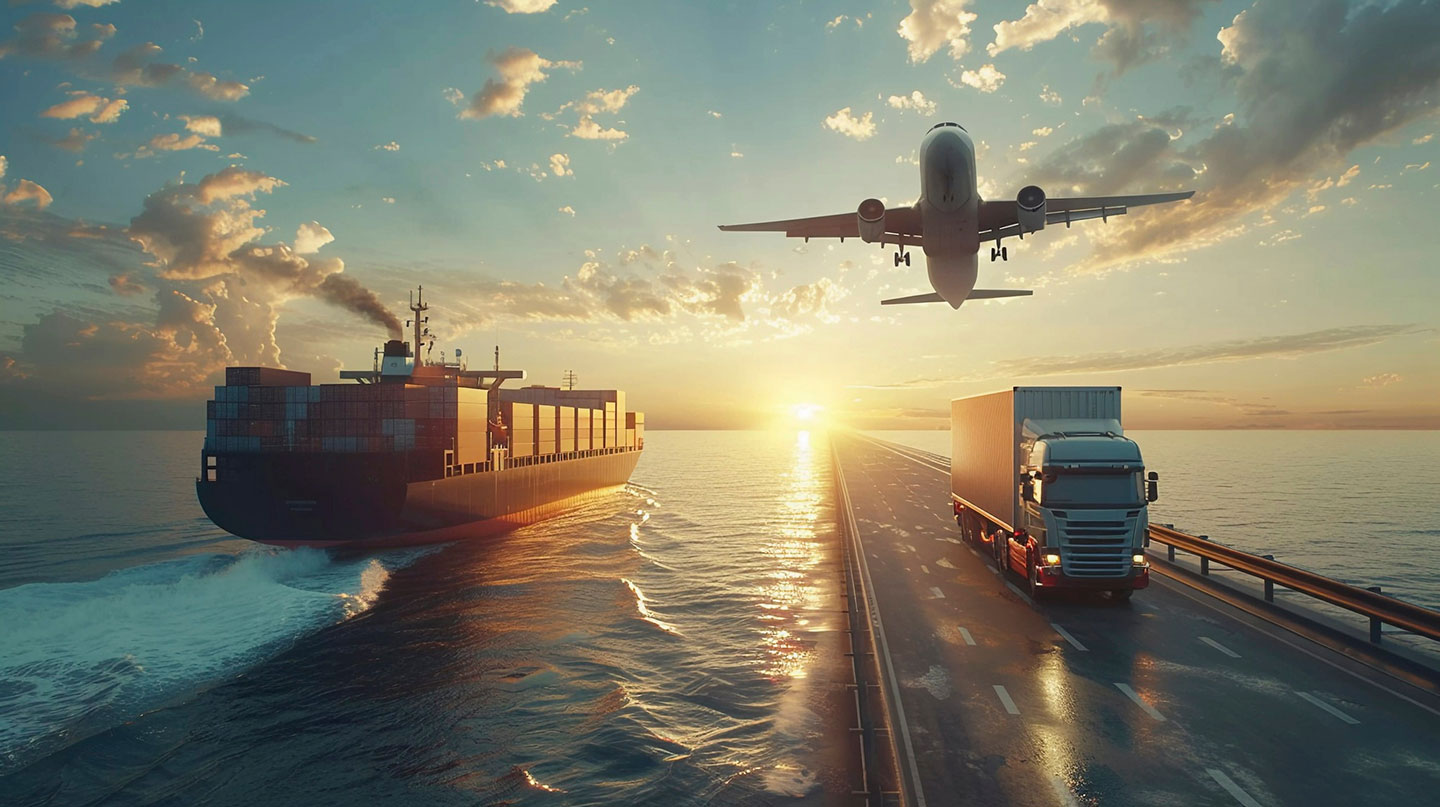
Benefits of Combined Transport in International Trade
Combined transport is valuable when using different transportation modes can better meet the practical requirements of a shipment. Its benefits vary depending on the route and cargo type, but the main advantages include the following.
Reduced Transportation Costs
On some routes, using ships or trains for the main part of the journey can be more economical than relying entirely on road or air transport. Trucks can then be used to move the cargo during the initial or final stages.
However, cost savings are not guaranteed. Transfer costs, loading and unloading, warehousing, and terminal services must also be included in the final calculation.
Greater Flexibility in Route Selection
If a direct route is unsuitable because of cost, timing, or infrastructure limitations, combining transportation modes can provide additional options. This flexibility is particularly useful on international routes affected by geographical or infrastructure constraints.
Better Use of Transportation Capacity
Each mode of transport has advantages in specific situations. Ships are useful for moving large volumes of cargo across sea routes, trains can be effective on certain long-distance land routes, and trucks provide access to final delivery locations. Combined transport allows businesses to use these capabilities within a single transportation chain.
Better Management of Large Shipments
For large or containerized shipments, combining transportation modes can help improve route planning. However, packaging, cargo weight, dimensional restrictions, and handling facilities must be evaluated before choosing the transportation method.
Reduced Dependence on a Single Transportation Mode
Relying on only one route or transportation method can create problems when operational disruptions, capacity limitations, or unexpected delays occur. Having alternative transportation options may improve planning flexibility, although changing the mode of transport still depends on actual capacity and operational feasibility.
Potential Improvements in Energy Efficiency and Environmental Performance
On some routes, using rail or sea transport instead of relying entirely on road transport may reduce energy consumption and emissions. The actual outcome depends on route distance, vehicle type, cargo volume, the number of transfers, and operating conditions.
The European Commission also discusses the importance of connecting different transportation modes and making better use of their capabilities in its information about multimodal and intermodal freight transport.
Disadvantages and Challenges of Combined Transport
Despite its advantages, combined transport is not always the best option. Under certain circumstances, using multiple transportation modes can increase both costs and operational complexity.
Coordination Between Multiple Parties
Each change in transportation mode may require coordination between transport companies, terminals, warehouses, and customs authorities. Without proper planning, the risk of delays during cargo transfers can increase.
Potentially Longer Delivery Times
On some routes, waiting for a train or ship, transferring containers between terminals, and completing customs procedures can extend the total transportation time. Comparing the overall transit time is therefore essential.
Additional Cargo Transfer Costs
Loading, unloading, container handling, temporary warehousing, and terminal services may create expenses that are not immediately apparent. To evaluate the financial viability of combined transport, all these costs should be calculated alongside the main freight charges.
Dependence on Transportation Infrastructure
Successful implementation depends on facilities such as ports, railway terminals, container handling equipment, and suitable road connections. In routes where these facilities are limited, combined transport may not be a practical choice.
Complexity of Documentation and Responsibilities
When several companies participate in different stages of a shipment, their responsibilities must be clearly defined. It is also important to establish how documents will be prepared at each stage and how claims related to damage or delays will be handled.
Before signing a contract, businesses should clearly review responsibilities, insurance conditions, claims procedures, and the obligations of all parties involved.
How Does Combined Transport Work?
To implement combined transport successfully, every stage must be organized carefully, from collecting initial shipment details to final delivery. The typical process can be divided into several steps.
Step 1: Assessing the Shipment
The first step is to collect information about the cargo type, weight, volume, dimensions, packaging, value, and any special handling or storage requirements. These details play an important role in selecting the transportation method and estimating costs.
Step 2: Identifying the Origin and Destination
The exact pickup and delivery locations, transit countries, entry and exit points, and potential route restrictions must be reviewed. Sometimes the final destination is not close to a port or railway terminal, making road transport necessary at the beginning or end of the journey.
Step 3: Selecting the Right Combination of Transportation Modes
Based on delivery time, budget, cargo type, and available infrastructure, an appropriate combination of sea, road, rail, or air transport is selected.
For example, sea and road transport may be suitable for one route, while rail transport may help manage the total cost or delivery time more effectively on another.
Step 4: Estimating Costs and Transit Time
At this stage, the costs of every transportation leg, terminal services, loading, unloading, potential warehousing, insurance, and customs procedures are assessed. The total transit time and the possibility of delays at each stage should also be considered.
Step 5: Preparing Documents and Coordinating Operations
Commercial and transportation documents must be prepared according to the type of cargo and the requirements of the countries involved. The timing of cargo arrivals at terminals, transfers to subsequent transport operators, and customs clearance procedures must also be coordinated.
Step 6: Tracking the Shipment and Final Delivery
The shipment’s status and progress through each transportation stage should be monitored. If delays or schedule changes occur, prompt coordination between the parties involved can help prevent further complications.
Finally, the cargo is delivered to its destination, and the delivery documents and final condition of the shipment are checked.
What Factors Affect the Cost of Combined Transport?
The cost of combined transport depends on more than one factor. To compare freight quotations accurately, businesses should evaluate the total cost of the route and the services required.
The main factors include:
- Cargo type: Sensitive, hazardous, perishable, or specially handled goods may involve higher costs.
- Shipment weight and volume: Cargo dimensions and weight affect the choice of transport vehicle and the capacity required.
- Distance and route: Route length, transit countries, border charges, and infrastructure conditions influence the final price.
- Selected transportation modes: Sea, road, rail, and air combinations involve different cost structures.
- Number of cargo transfers: Each transfer between transportation modes may involve loading, unloading, or terminal service charges.
- Transit time: Waiting periods, warehousing, and potential delays can increase the total cost.
- Insurance and additional services: Cargo insurance, special packaging, warehousing, and customs services may be charged separately.
The best way to compare quotations is to ask transport companies for a transparent breakdown of costs and the services included in the contract. The lowest initial quotation does not always represent the lowest total cost.
Which Goods Are Suitable for Combined Transport?
Combined transport can be used for a wide range of goods. However, its suitability depends on the route, transportation conditions, and product requirements.
Commercial and Industrial Goods
Machinery, industrial components, factory raw materials, and commercial equipment are examples of shipments that may be suitable for combined transport when the route and infrastructure support the required handling arrangements.
Containerized Cargo
Goods packed in standard containers are generally suitable for transfers between ships, trains, and trucks. Keeping the cargo inside the same container throughout the journey can reduce the need to unload and reload the contents.
Raw Materials and Bulk Cargo
Some raw materials and bulk goods can also be transported using combinations of sea, rail, and road transport. In these cases, cargo characteristics, loading and unloading equipment, and terminal facilities are particularly important.
Time-Sensitive or Temperature-Sensitive Goods
For goods that require timely delivery or specific temperature conditions, waiting periods at terminals, temperature control capabilities, and coordination between transportation stages must be assessed carefully. Combined transport is suitable only when the cargo requirements can be maintained throughout the entire journey.
How Can You Choose the Best Combined Transport Method?
When selecting a transportation method, it is better to evaluate several criteria rather than focusing on a single factor, such as the freight rate.
- Define the delivery deadline. If the shipment is urgent, a route involving long waiting periods may not be suitable.
- Calculate the total cost. Include transfer charges, warehousing, insurance, and customs services in addition to the main freight rate.
- Evaluate the cargo type. Weight, volume, value, packaging, and storage requirements affect route selection.
- Assess route infrastructure. Check the availability of ports, railway terminals, and suitable road connections.
- Clarify the responsibilities of transport companies. Determine who handles each stage of the journey and who is responsible for shipment tracking.
- Plan alternative arrangements. For sensitive routes, consider whether the schedule can be adjusted if delays or disruptions occur.
An experienced international logistics company can assess these factors, compare available options, and provide more detailed information to help you choose the right route.
To learn more about international transportation solutions, visit the Irsa Logistics homepage and the Irsa Logistics services page.
Frequently Asked Questions About Combined Transport
What Does Combined Transport Mean?
Combined transport means using two or more transportation modes to move goods from their origin to their final destination. It can involve combinations of sea, road, rail, or air transport.
Is Combined Transport Always Cheaper Than Direct Transport?
No. Combined transport may reduce costs on certain routes, but transfer charges, warehousing, terminal services, and waiting times must also be considered. The most suitable option depends on the specific shipment requirements.
What Is the Difference Between Combined and Multimodal Transport?
These terms are sometimes used interchangeably in general commercial usage, but specialized definitions distinguish between them. Multimodal transport generally emphasizes the use of multiple transportation modes within a transportation chain. In certain frameworks, combined transport refers to using modes such as rail or sea for the main part of the journey and road transport at the beginning or end.
Is Combined Transport Suitable for Shipping Goods from China to Iran?
Depending on the exact origin, destination, cargo type, route conditions, and costs, combined transport may be an option worth considering for shipments from China to Iran. Sea, land, rail, or combined routes should be compared based on transit time, cost, and operational requirements.
What Documents Are Required for Combined Transport?
Required documents depend on the cargo type, countries of origin and destination, and transportation modes involved. A commercial invoice, packing list, transport documents, customs documents, and any required product-specific certificates may be necessary.
Is Cargo Removed From Its Container During Combined Transport?
This depends on the transportation arrangement. In intermodal transport, goods generally remain in the same loading unit, such as a container, while the container itself is transferred between transportation modes. Other arrangements may involve unloading or reloading the cargo.
What Should You Consider When Choosing a Combined Transport Company?
Important criteria include the company’s experience on the required route, transparent pricing, ability to coordinate different transportation modes, shipment tracking, knowledge of transport documents and regulations, and clearly defined responsibilities.
Conclusion
Combined transport is a method of moving goods using two or more transportation modes. It can help international businesses make better use of sea, road, rail, and air transport capacity. However, its advantages depend on choosing the right route and coordinating each stage of the shipment effectively.
Before making a decision, businesses should evaluate cargo type, delivery time, total cost, terminal facilities, customs requirements, and the responsibilities of the companies involved. Comparing these factors makes it easier to determine whether combined transport is suitable for a particular shipment or whether another method would deliver better results.
If you are planning an international shipment, reviewing your cargo requirements and requesting a route-specific quotation can help you make a more informed decision about cost, transit time, and the most appropriate transportation method.