Why is Sea Freight Still the Cheapest Method of Transport?
Why is Sea Freight Still the Cheapest Method of Transport?
In the complex world of international trade, choosing the right mode of transport is one of the most important strategic decisions for any trader. Meanwhile, sea freight has always been known as an economical and efficient option. But what factors have made sea freight known as the cheapest method of transport globally? In this article from IRSA Darya Logistics, we will deeply examine this topic and analyze the economic reasons for sea freight by looking at the latest global statistics and figures.
Sea Freight; The Backbone of Global Trade
First, let’s look at the scale of sea freight in the world. Over 85 to 90 percent of global trade is carried out via sea. This massive volume of cargo movement shows that sea freight is not just an option, but the only method capable of supporting the global supply chain on this scale. The question is, why does such a huge share of trade go to sea freight? The answer lies in the total cost of this method.
Cost Comparison of Sea Freight with Other Methods
To better understand why sea freight is considered the cheapest method of transport, it is best to compare it with other methods.
Sea Freight vs. Air Freight
Air freight, as the fastest method, naturally has higher costs. In 2026, the cost of air freight per kilogram on busy Asia-America routes is between $2.5 and $6. In contrast, the cost of shipping Less than Container Load (LCL) cargo via sea on the same routes is calculated at about $0.5 to $1.5 per kilogram. This means sea freight is on average 4 to 15 times cheaper than air freight. For a 10-ton shipment, this cost difference can lead to 80 to 90 percent savings.
Sea Freight vs. Land and Rail Transport
Although land transport by truck is a cost-effective option for short and domestic distances, for long distances and international transit, the cheapest method of transport is sea freight. The cost of shipping a 40-foot container from Asia to Europe in 2026 is about $2,854. Meanwhile, transporting the same cargo via road or rail on similar routes would be much more expensive.
Why is Sea Freight the Cheapest Method of Transport?
Several factors have contributed to sea freight being recognized as the cheapest method of transport in the world:
1. Economies of Scale
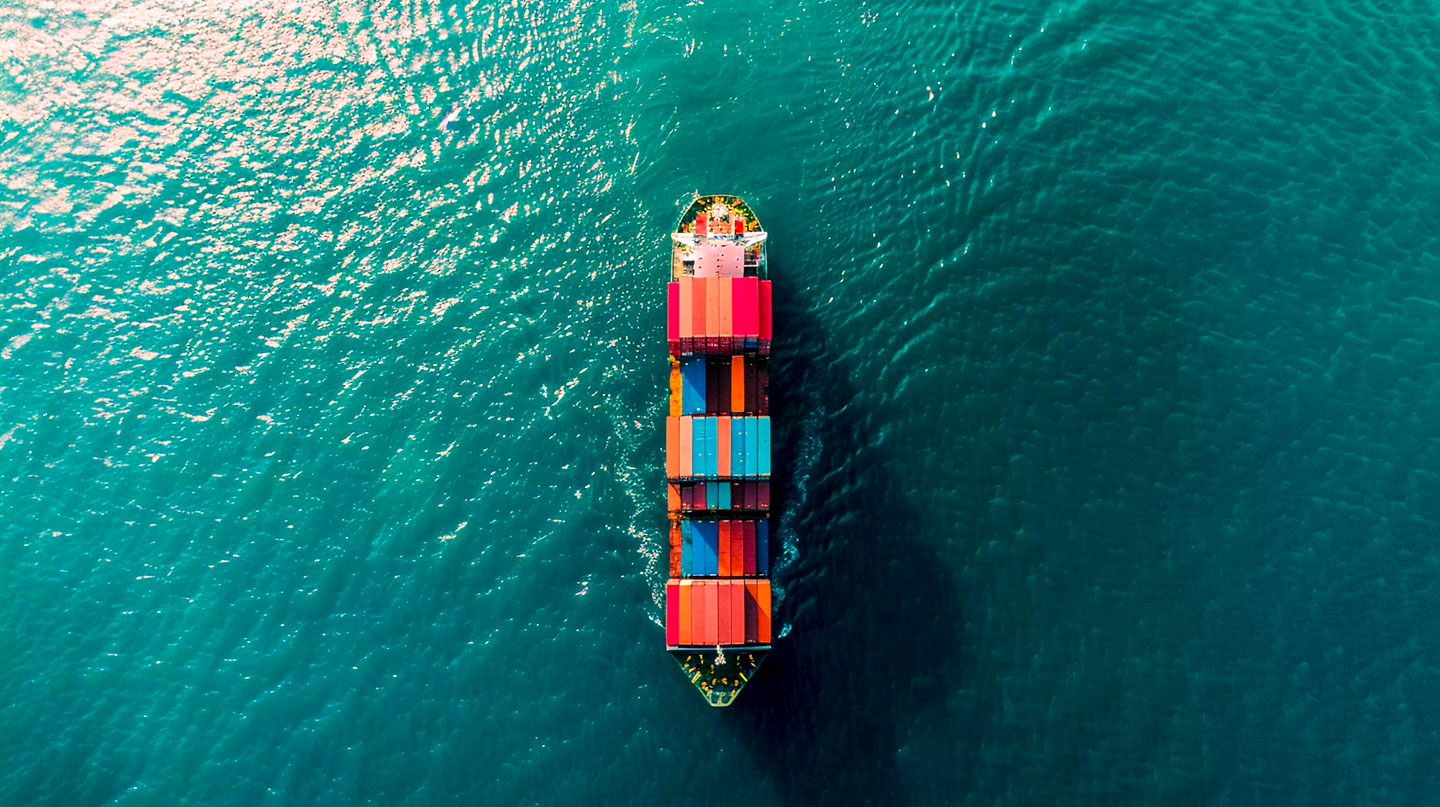
Modern giant container ships have the capacity to carry thousands of containers in a single voyage. This massive capacity drastically reduces the cost per unit of cargo. Unlike air freight, where each aircraft’s capacity is limited to about 250 tons, a container ship can carry up to 10,000 containers.
2. Extensive and Stable Infrastructure
The vast network of ports and shipping lines worldwide allows cargo to be transported to almost any point in the world at a stable and predictable cost. This extensive network has increased competition and helped reduce prices.
3. Lower Fuel Costs
Fuel consumption per ton of cargo in sea freight is much lower than in air and even land transport. Therefore, despite fluctuations in fuel prices, the final cost of sea freight has always remained competitive.
4. Lower Carbon Emissions
Interestingly, sea freight is not only cost-effective but also environmentally friendly. Sea freight produces about 10 to 40 grams of carbon dioxide per ton-kilometer, while this figure for air freight is between 500 and 1050 grams. This means sea freight is 40 to 50 times more environmentally friendly and aligns better with sustainable development goals.
Price Trends and the Future of Sea Freight
Although sea freight rates have fluctuated in recent years due to factors such as geopolitical tensions (e.g., Red Sea and Strait of Hormuz crises) and rising fuel prices, this method remains the cheapest method of transport for high-volume cargo. A 41% increase in sea freight rates in early 2026 shows that this industry is still affected by external factors, but this price increase has not overshadowed the economic position of sea freight.
Conclusion and Expert Recommendation from IRSA Darya Logistics
Data and statistics clearly show that sea freight remains the cheapest method of transport for heavy, bulky, and high-volume cargo in international trade. This method, by leveraging economies of scale, extensive infrastructure, and lower operational costs, plays an irreplaceable role in the global supply chain.
However, to benefit from the advantages of sea freight, collaboration with a professional and experienced logistics partner like IRSA Darya Logistics is essential. Our team, with years of experience in sea freight and access to a wide network of shipping lines and international ports, designs and implements the best and cheapest method of transport with the highest quality and security for your cargo. For more information about our services and to receive free consultation, visit the IRSA Darya Logistics sea freight services page.
Today, with rising rates on some routes and the increasing complexity of shipping conditions, choosing a reliable logistics consultant is more critical than ever. IRSA Darya Logistics, with a deep understanding of the market, provides the best transport routes with the cheapest method of transport possible for you, ensuring both reduced total costs and the timely and safe delivery of your cargo.
For rate inquiries and expert consultation on choosing the cheapest method of transport for your shipment, contact the IRSA Darya Logistics experts right now.