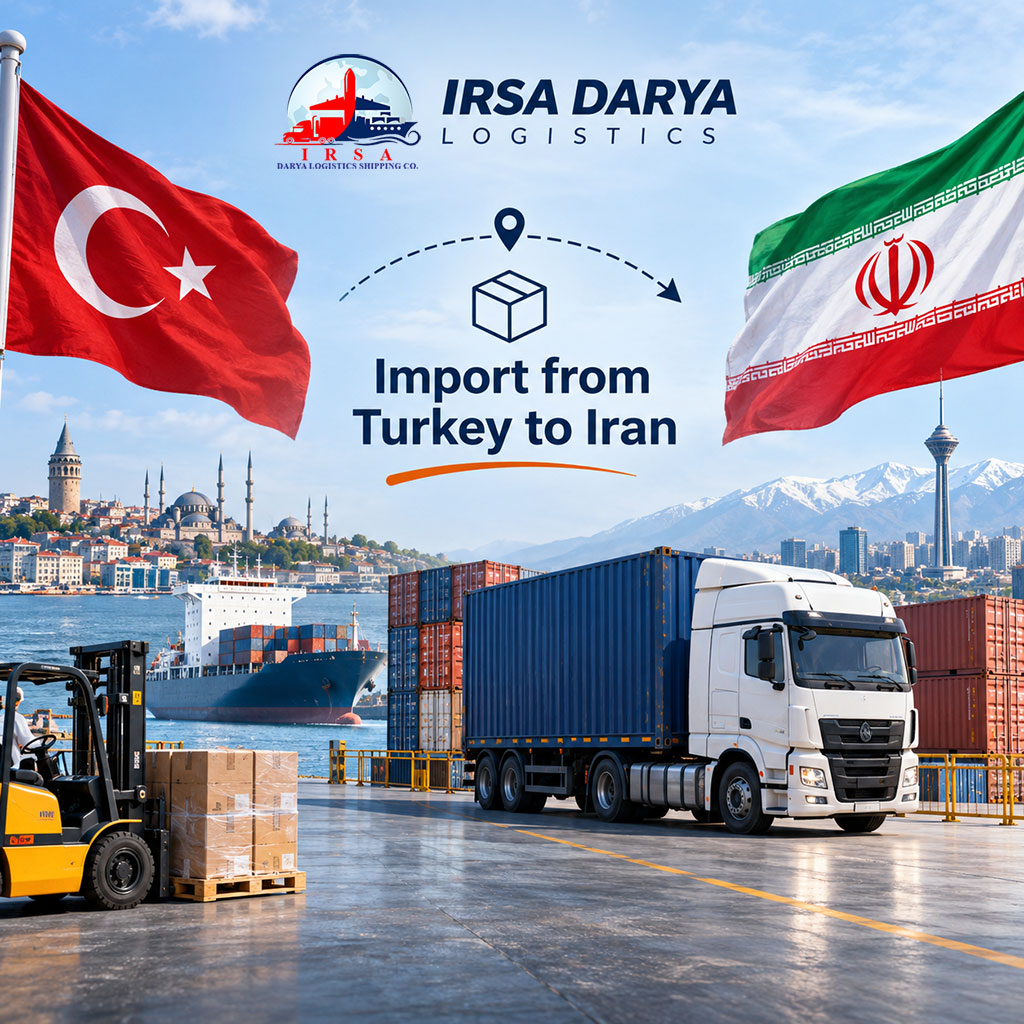
Importing Goods from Turkey to Iran: Steps, Costs and Documents
Import Goods from Turkey to Iran: A Complete Guide to Steps, Costs and Documents
Turkey is an important sourcing market for many Iranian businesses. Its proximity, broad manufacturing base and several available transport options make it attractive for products ranging from textiles and household goods to industrial components and raw materials. Yet a successful shipment involves much more than agreeing on a purchase price. Import eligibility, customs classification, permits, transport, insurance and clearance costs should all be checked before the goods leave the supplier.
This guide explains the main stages of importing goods from Turkey into Iran. Customs rules, duties, exchange arrangements and product requirements can change, so confirm the current requirements for the specific commodity with the relevant authorities and a qualified customs broker before placing an order.
Why source goods from Turkey?
Turkey has established manufacturing and export sectors in textiles, clothing, machinery, household appliances, chemicals, food products and many other categories. Its location also allows road, sea and combined transport solutions. Whether a Turkish supplier is the right choice depends on product specifications, landed cost, quality, compliance and payment terms—not simply the quoted unit price.
Step-by-step import process
1. Identify the product and check import eligibility
Prepare a precise description of the goods, including material, function, model, brand, manufacturer and technical specifications. Determine the appropriate HS tariff classification and check whether the product is permitted, restricted or subject to licences, standards, health or quarantine controls. A broad commercial name is not enough: small differences in composition or intended use can lead to a different tariff heading.
2. Verify the supplier and obtain a pro forma invoice
Ask the seller for a pro forma invoice showing the parties, full product description, quantity, unit and total price, currency, delivery terms, origin, production lead time and payment schedule. Verify the company’s identity and export experience. For significant orders, consider samples or an independent pre-shipment inspection to reduce the risk of quality disputes.
3. Estimate landed cost and complete required registration
Build a cost estimate that includes the purchase price, freight, insurance, customs duties and taxes, border or port charges, handling, storage, inspection and clearance services. Complete the applicable import registration and obtain any required approvals through the official channels for the product category. The exact sequence and documentation can differ by commodity and current regulations.
4. Agree delivery responsibilities and choose a transport mode
Make the contract clear about who is responsible for loading, export formalities, insurance, freight and delivery. Use the relevant Incoterms rule together with a precisely named place or port. Clear wording helps prevent disagreements over cost and risk. You may also find our guides to IRSA Darya Logistics and international shipping services useful.
5. Prepare documents and dispatch the cargo
Before loading, compare the commercial invoice, packing list and transport document. The seller and buyer details, package count, weights, goods description and origin should be consistent. Unclear or conflicting information can lead to questions, amendments or additional checks at the border or destination customs office.
6. Customs declaration and release
Once the shipment arrives, the importer or its authorised broker submits the customs declaration and supporting documents under the applicable procedure. Customs may review the paperwork, assess classification and value, request further evidence or select the cargo for physical inspection. Release follows completion of the required approvals, payment of applicable charges and customs controls. Check the Iran Customs electronic portal for official services and current procedures.
Documents commonly required
The final document list depends on the product, transport mode, transaction terms and rules in force. Common documents include:
- Pro forma invoice and final commercial invoice
- Packing list showing packages, weights and dimensions
- Road consignment note, bill of lading or air waybill, as applicable
- Certificate of origin, where required
- Cargo insurance policy and freight evidence, where applicable
- Import registration and product-specific permits or approvals
- Standards, health, phytosanitary or quarantine certificates, if relevant
- Payment records and any additional documents requested by the bank or customs authority
Confirm the list with a broker familiar with the exact product before dispatch. Additional certificates may be needed for controlled or regulated goods.
How are import costs calculated?
There is no single fixed cost or duty rate for all Turkish goods. The main cost elements are:
- Purchase value: the amount payable to the supplier under the agreed contract.
- Freight: influenced by weight, volume, route, vehicle or container type, season and available capacity.
- Insurance: based on cargo value, nature, route and selected coverage.
- Customs duties and taxes: determined by tariff classification, customs value and the rules applicable when the goods are declared.
- Clearance and handling: broker fees, storage, loading, unloading, inspection and terminal or border charges.
- Delay-related costs: additional storage, waiting time or costs caused by late or incomplete documents.
Compare quotations on a door-to-door or clearly defined destination basis. A low freight rate may exclude important origin, border or destination charges. Do not rely on old duty rates or estimates from a previous shipment.
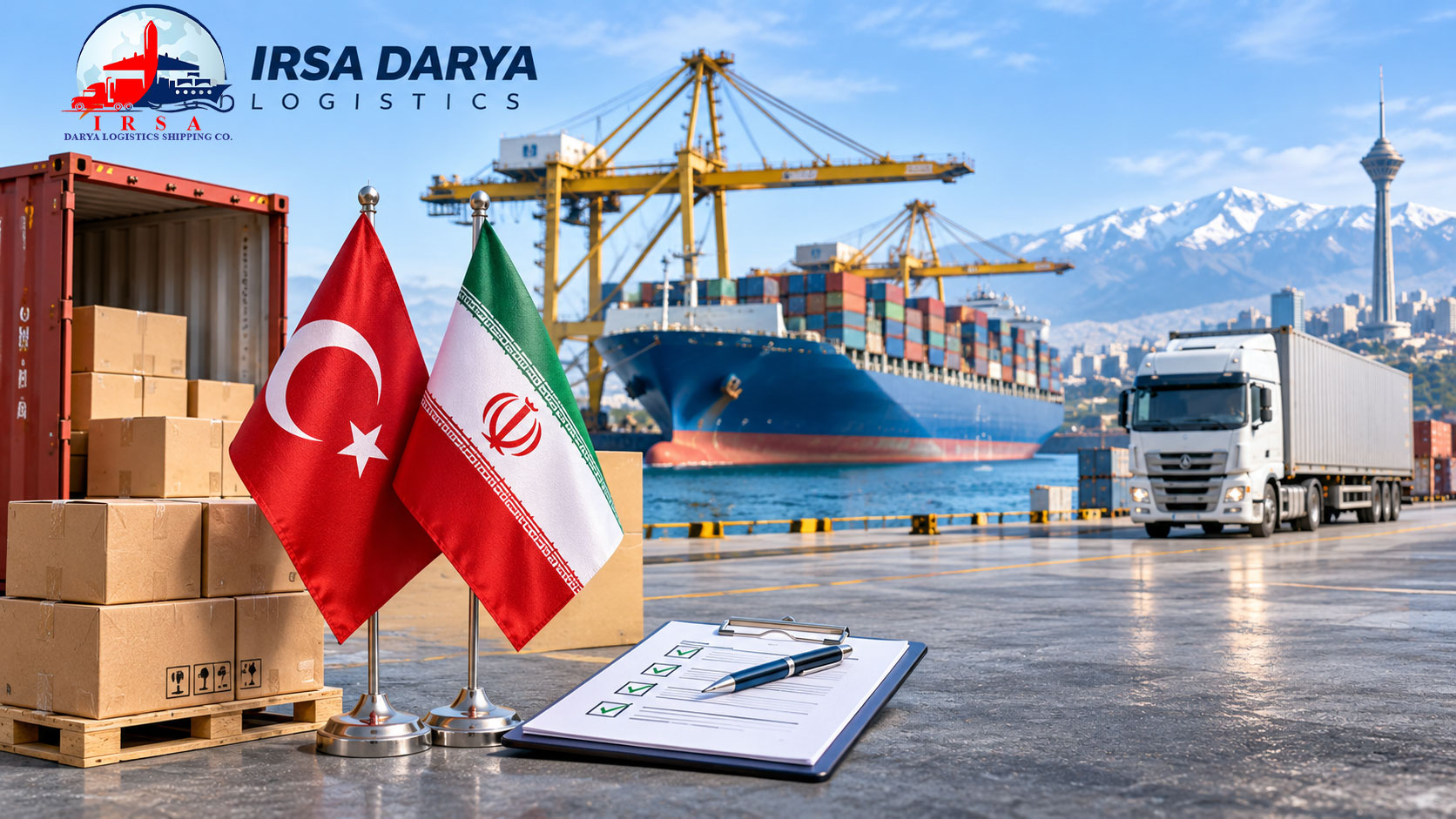
Transport options from Turkey to Iran
Road freight
Road transport is worth considering for many commercial shipments, particularly when direct collection, flexible routing or door-to-door delivery matters. Transit time and price depend on the exact origin and destination, border conditions, truck type and transit formalities.
Sea freight
For containerised or larger consignments with suitable port access, sea freight may offer competitive capacity and cost. Include sailing schedules, port handling and onward delivery in the comparison rather than looking only at the ocean freight rate.
Combined transport
A combination of road and sea, or other modes, may suit a shipment when it improves access or overall cost. It requires coordination between terminals and carriers, realistic transfer times and a clear allocation of responsibility at each stage.
Common mistakes to avoid
- Ordering goods before confirming import eligibility and permits
- Selecting an HS code based only on a short product name
- Paying an unverified supplier or accepting an incomplete invoice
- Ignoring port, border, storage and clearance charges
- Leaving delivery responsibilities and the named delivery point unclear
- Dispatching cargo before checking the destination document requirements
- Using outdated freight quotations or customs information
How to reduce import risks
Start with accurate product specifications and tariff classification. Check permits and taxes before purchase, verify the supplier, define delivery terms in writing and reconcile all documents before loading. An experienced carrier on the selected route and early coordination with a customs broker can help prevent avoidable delays and extra charges.
For export-side information, consult the Turkish Ministry of Trade. For Iranian customs procedures, use the Iran Customs portal. You can also explore IRSA Darya Logistics services.
Frequently asked questions
What is the first step when importing from Turkey to Iran?
Identify the product precisely and check its HS code, import status and required permits. Supplier selection and transport planning should follow that initial compliance check.
Does every shipment require a certificate of origin?
Not necessarily. The requirement depends on the product, applicable rules and the customs file. Confirm it for the specific shipment before dispatch.
How much does it cost to import from Turkey?
It depends on the goods, customs classification, value, weight and volume, route, insurance, permits and clearance costs. An accurate estimate requires shipment details.
Is road or sea freight better?
Neither is universally better. Compare total landed cost, delivery time, cargo dimensions, origin and destination access, and the services included in each quote.
How can customs delays be reduced?
Check permits and tariff classification early, complete the documents carefully and make sure invoice, packing list and transport details match. Customs may still conduct routine checks.
Conclusion
Importing goods from Turkey into Iran is more predictable when the product, supplier, regulatory requirements, transport plan and customs documents are reviewed before purchase and dispatch. A realistic landed-cost calculation and a transport option suited to the cargo are essential to avoiding unexpected expenses. Always confirm current requirements with official sources and qualified specialists before shipping.