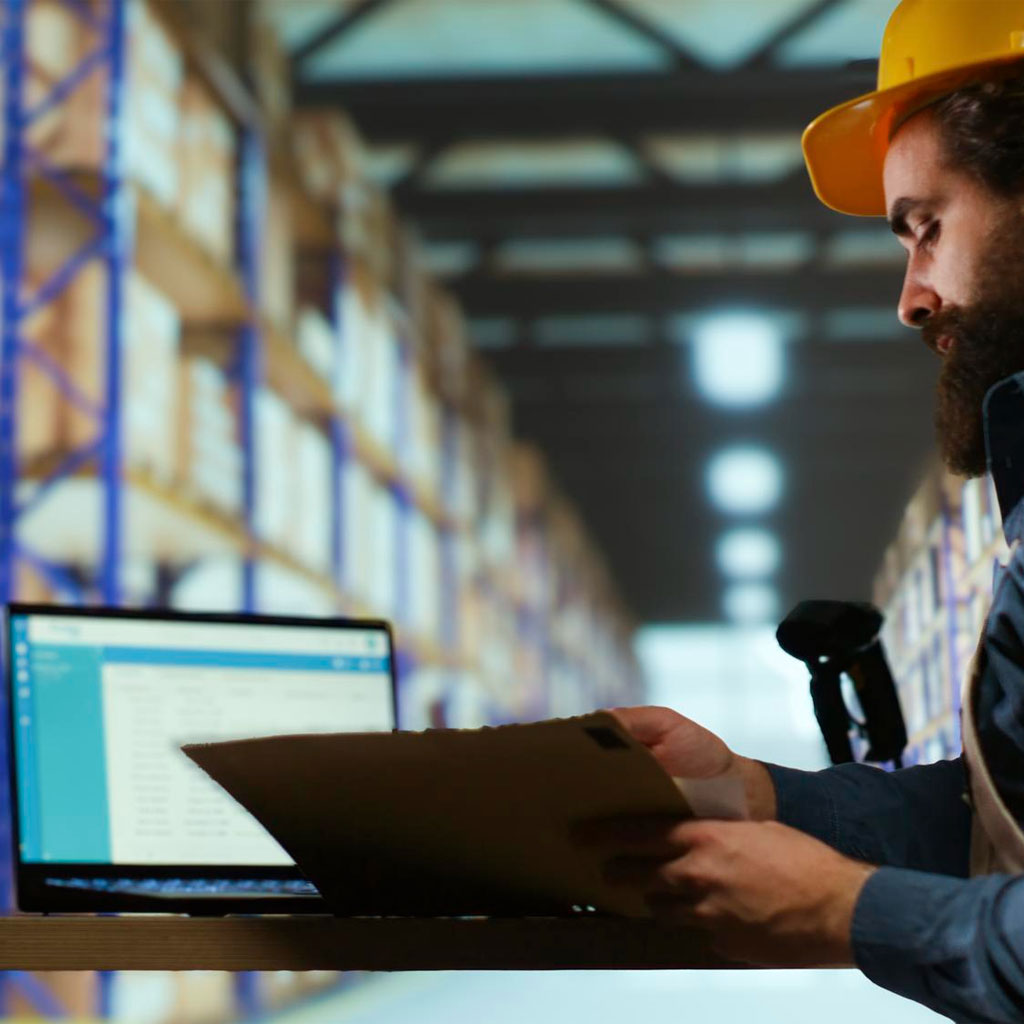
How Companies Reduce Delivery Time with Technology
How Companies Reduce Delivery Time with Technology?
Introduction
In today’s competitive world, speed is considered one of the most important factors for business success. Customers expect to receive their orders as quickly as possible, and companies that fail to meet these expectations may lose market share. For this reason, reducing Delivery Time has become one of the primary goals of companies operating in manufacturing, trade, and transportation.
In the past, many processes related to shipping goods were performed manually, which led to numerous delays throughout the supply chain. Today, however, modern technologies help companies manage operations more intelligently and significantly reduce Delivery Time.
In this article, we will examine how companies use new technologies, better data management, and process automation to increase the speed of order fulfillment.
Why Is Delivery Time Important?
Delivery Time is not just an operational metric; it is a factor that directly affects customer satisfaction, profitability, and brand reputation.
Some of the most important benefits of reducing delivery time include:
- Improved customer satisfaction
- Higher repeat purchase rates
- Reduced warehousing costs
- Better inventory management
- Increased competitive advantage
- Enhanced supply chain performance
The shorter the delivery time, the greater the company’s chances of success in competitive markets.
The Role of Technology in Reducing Delivery Time
Technology has brought significant changes to the logistics and supply chain industry in recent years. Many of the world’s leading companies have dedicated substantial investments to developing transportation-related technologies.
The primary goal of these technologies is to reduce errors, increase decision-making speed, and optimize operational processes.
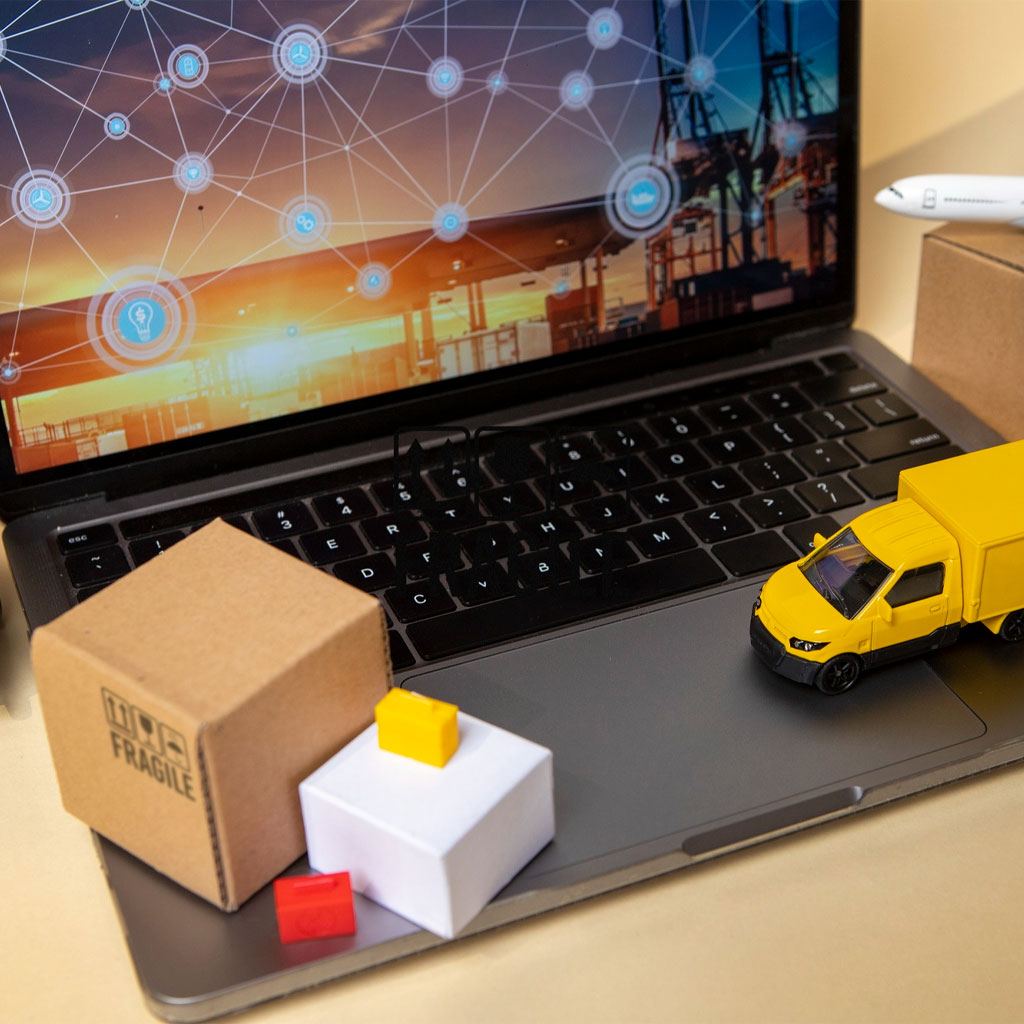
Using Supply Chain Management Systems
One of the most important modern tools for reducing Delivery Time is supply chain management systems.
These systems collect information related to suppliers, warehouses, transportation operations, and customers within a unified platform.
The benefits of these systems include:
- Quick access to information
- Reduced human errors
- Better inventory management
- Accurate demand forecasting
- Improved coordination between departments
When all information is available within a centralized system, decision-making becomes faster and delivery time is reduced.
Artificial Intelligence and Demand Forecasting
One of the most influential technologies gaining attention in recent years is artificial intelligence.
Artificial intelligence can analyze large volumes of data and identify customer behavior patterns.
For example, a company can use AI to predict when demand for a specific product is likely to increase.
This allows inventory to be prepared in advance and helps reduce Delivery Time.
Benefits of Artificial Intelligence in Logistics
- Accurate order forecasting
- Reduced inventory shortages
- Better transportation planning
- Lower operational costs
- Improved productivity
Internet of Things and Real-Time Shipment Tracking
The Internet of Things, or IoT, is another technology that plays a significant role in reducing Delivery Time.
In this technology, smart sensors are installed on vehicles, containers, and cargo to transmit information in real time.
The benefits of IoT include:
- Accurate shipment location tracking
- Identification of potential delays
- Monitoring transportation conditions
- Improved cargo security
- Enhanced fleet management
By using this technology, companies can identify potential issues before they occur and prevent delivery delays.
Warehouse Automation
Traditional warehouses often require considerable time for searching, packing, and preparing orders.
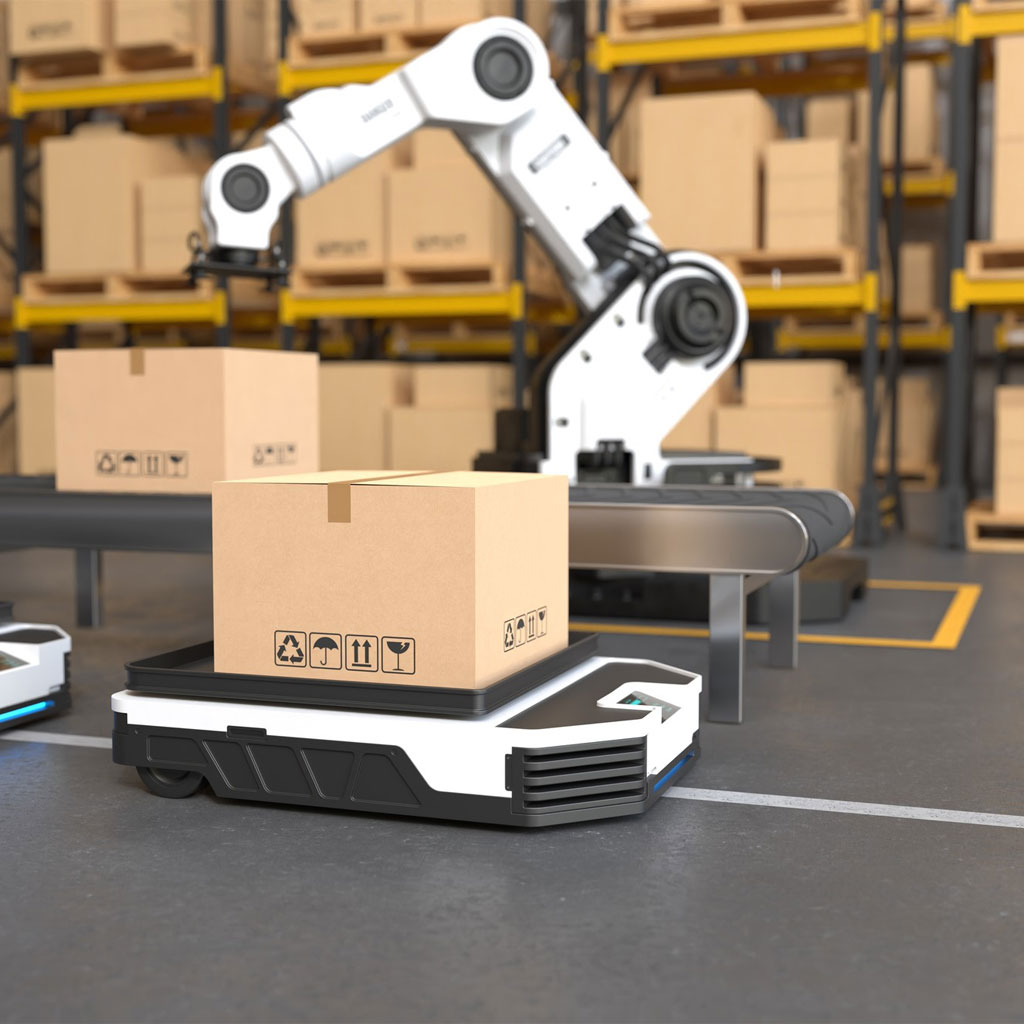
Today, many companies use smart warehouses equipped with robots and automated systems.
These technologies can:
- Locate products more quickly
- Prepare orders more accurately
- Reduce human errors
- Increase order processing speed
As a result, the time between order placement and shipment is significantly reduced.
Transportation Management Software
Transportation management software is one of the most important tools for reducing Delivery Time.
These solutions optimize routes, costs, and transportation schedules.
Key capabilities include:
- Selecting the best route
- Fleet management
- Cost control
- Schedule planning
- Driver performance analysis
Using these tools enables companies to choose shorter and faster routes, reducing delivery time.
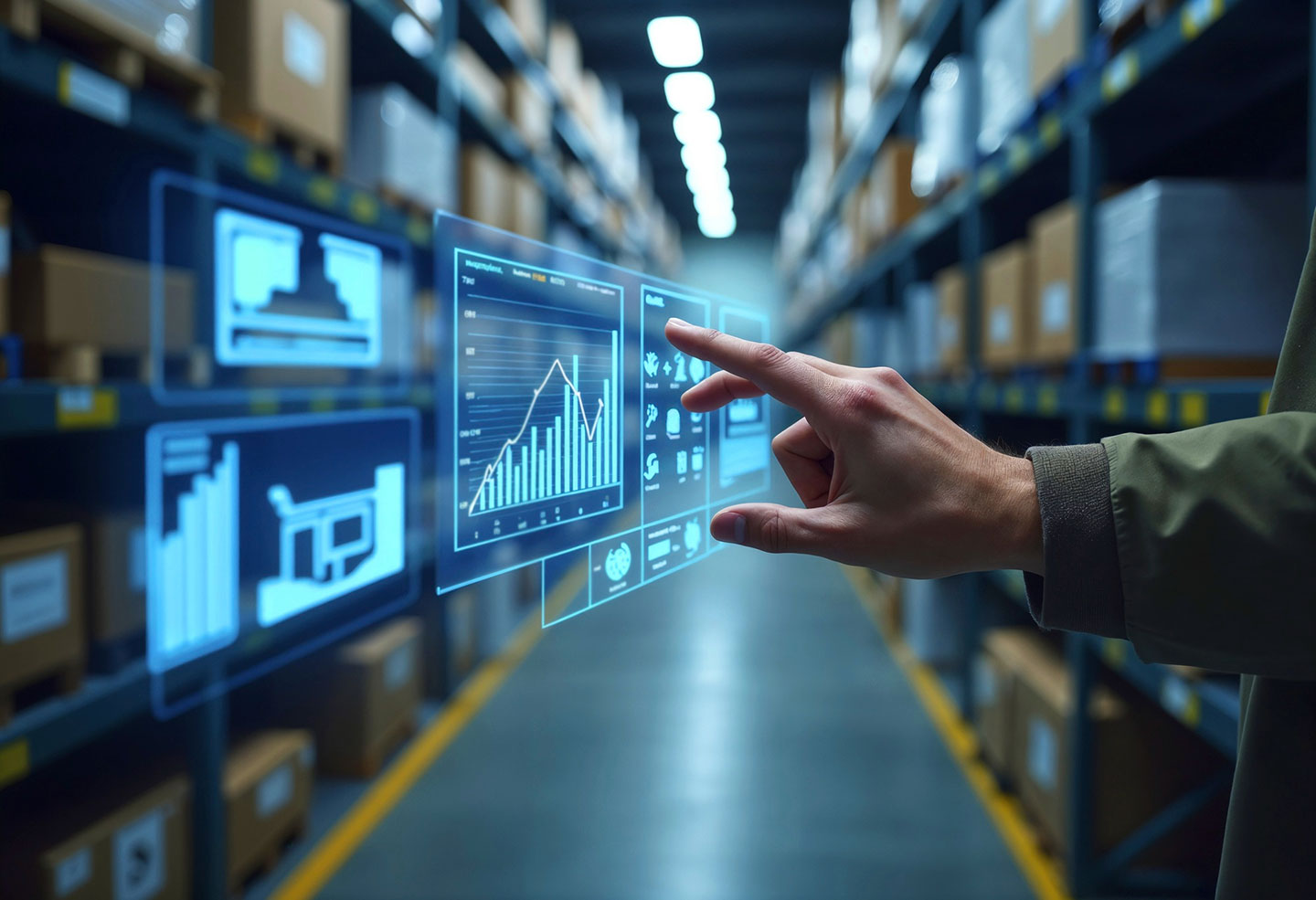
Route Optimization Through Technology
Selecting the right route has a direct impact on Delivery Time.
Today, advanced algorithms can analyze information such as:
- Traffic conditions
- Weather conditions
- Road restrictions
- Fleet status
and recommend the most efficient route.
In addition to reducing delivery time, this also lowers fuel consumption.
The Role of Big Data in Improving Logistics Performance
Big Data refers to massive amounts of information collected from various sources.
By analyzing this data, companies can:
- Identify delay patterns
- Evaluate supplier performance
- Predict transportation challenges
- Improve supply chain efficiency
Data analysis helps managers make more accurate decisions and reduce delivery time.
Blockchain and Increased Transparency
Blockchain technology is also transforming the transportation industry.
This technology enables secure information recording and increases transparency across the supply chain.
The benefits of blockchain include:
- Reduced fraud
- Greater trust
- Faster information exchange
- Fewer disputes between parties
These advantages ultimately contribute to reducing Delivery Time.
Using Robots in Distribution Centers
Today, many distribution centers use intelligent robots.
These robots can:
- Move goods
- Sort orders
- Perform packaging operations
As a result, order processing speed increases and delivery time decreases.