


The Future of Maritime Transportation; New Technologies That Will Change the World
Maritime transportation is the backbone of global trade, and more than 90 percent of the world’s goods are transported by sea. However, this industry is rapidly evolving. Environmental pressures, the need to reduce costs, the shortage of skilled labor, the digitalization of the supply chain, and intense global competition have pushed shipping companies toward advanced technologies. Therefore, analyzing the future of maritime transportation is one of the most important topics for international trade professionals.
This article thoroughly examines the innovations that will transform the maritime transportation industry in the coming decade. From artificial intelligence and autonomous ships to clean fuels, the Internet of Things, and inspection drones, all these technologies play a decisive role in shaping the future of maritime transportation.
The Importance of Digital Transformation in the Future of Maritime Transportation
Digital transformation is at the heart of global changes in the shipping industry. In the past, decisions were made based on the experience of captains and port operators, but today accurate data plays a key role.
Digital transformation has made it possible to:
-
Reduce vessel waiting times in ports
-
Manage fuel consumption intelligently
-
Significantly increase maritime safety
-
Plan optimal routes with minimal risk
-
Reduce operational costs substantially
Therefore, any company that seeks to maintain a strong position in the future of maritime transportation must adopt digital technologies.
Chapter One: Artificial Intelligence; The Brain of the Future Maritime Industry
Artificial intelligence is one of the most influential technologies in the future of maritime transportation. Thousands of data points collected from satellites, sensors, navigation systems, and ports are analyzed by AI algorithms to make the best decisions for vessel performance.
Key Applications of Artificial Intelligence in Maritime Transportation
1. Route Optimization
AI can analyze weather conditions, maritime traffic, and wave patterns to suggest the best possible route. This leads to:
-
Lower fuel consumption
-
Reduced delivery times
-
Minimized maritime risks
2. Engine Failure Prediction
Advanced technologies can predict malfunctions before they occur by analyzing engine vibrations, temperature, and fuel consumption patterns. This significantly reduces repair costs in the future of maritime transportation.
3. Smart Cargo Management
AI-powered systems can determine the best loading method to maintain vessel balance, reduce fuel consumption, and increase transportation speed.
Chapter Two: Autonomous Ships; Dream or Reality?
Crewless ships are one of the most important technologies that will revolutionize the future of maritime transportation. Their primary goals are reducing human error, increasing safety, and lowering operational costs.
Advantages of Autonomous Ships
-
Elimination of human errors
-
Reduced crew expenses
-
24-hour continuous operation
-
Enhanced safety through continuous sensor monitoring
-
Optimized fuel consumption
Countries such as Norway, Japan, and China are developing these vessels, and some have already reached real-world testing stages.
Chapter Three: Clean Fuels and the Green Future of Maritime Transportation
One of the biggest challenges in the shipping industry is high emissions. Regulations from the International Maritime Organization have pushed companies toward clean fuels to ensure that the future of maritime transportation comes with minimal environmental damage.
Key Alternative Fuels
1. Liquefied Natural Gas (LNG)
Its lower emissions and reasonable cost have encouraged many companies to adopt LNG.
2. Hydrogen
Green hydrogen is one of the cleanest fuels and can completely reshape the future of maritime transportation.
3. Biofuels
These fuels are produced from natural resources and are fully biodegradable.
4. Wind and Solar Energy
Vessels equipped with modern sails and solar panels will play an important role in reducing fuel consumption.
Chapter Four: The Internet of Things; The Ever-Watchful Eyes of Ships
The Internet of Things (IoT) collects real-time data through smart sensors installed across various parts of the ship. This data plays a crucial role in the future of maritime transportation.
Applications of IoT in the Maritime Industry
-
Real-time engine health monitoring
-
Temperature and humidity control of cargo
-
Fuel and energy management
-
Ship security monitoring
-
Direct connection with ports and land transportation systems
Chapter Five: Drones and Robots; The Supporting Forces of Maritime Transportation
Robots and drones are entering ships and ports, rapidly transforming the future of maritime transportation.
Drone Applications
-
Hull inspection
-
Port area monitoring
-
Document delivery between ship and port
-
Detecting cracks and corrosion
Robot Applications
-
Performing repairs in hazardous areas
-
Automated container handling
-
Cleaning tanks and storage compartments
Chapter Six: Digitalization of Documents and Contracts
One of the biggest problems in maritime transportation has been traditional paper documents. Today, blockchain technology allows all documents to be stored digitally and securely.
Benefits of Blockchain in the Future of Maritime Transportation
-
Preventing document forgery
-
Reducing cargo clearance time
-
Lower administrative costs
-
Complete supply chain transparency
Chapter Seven: Smart Ports; The Beating Heart of the Future Maritime Transportation
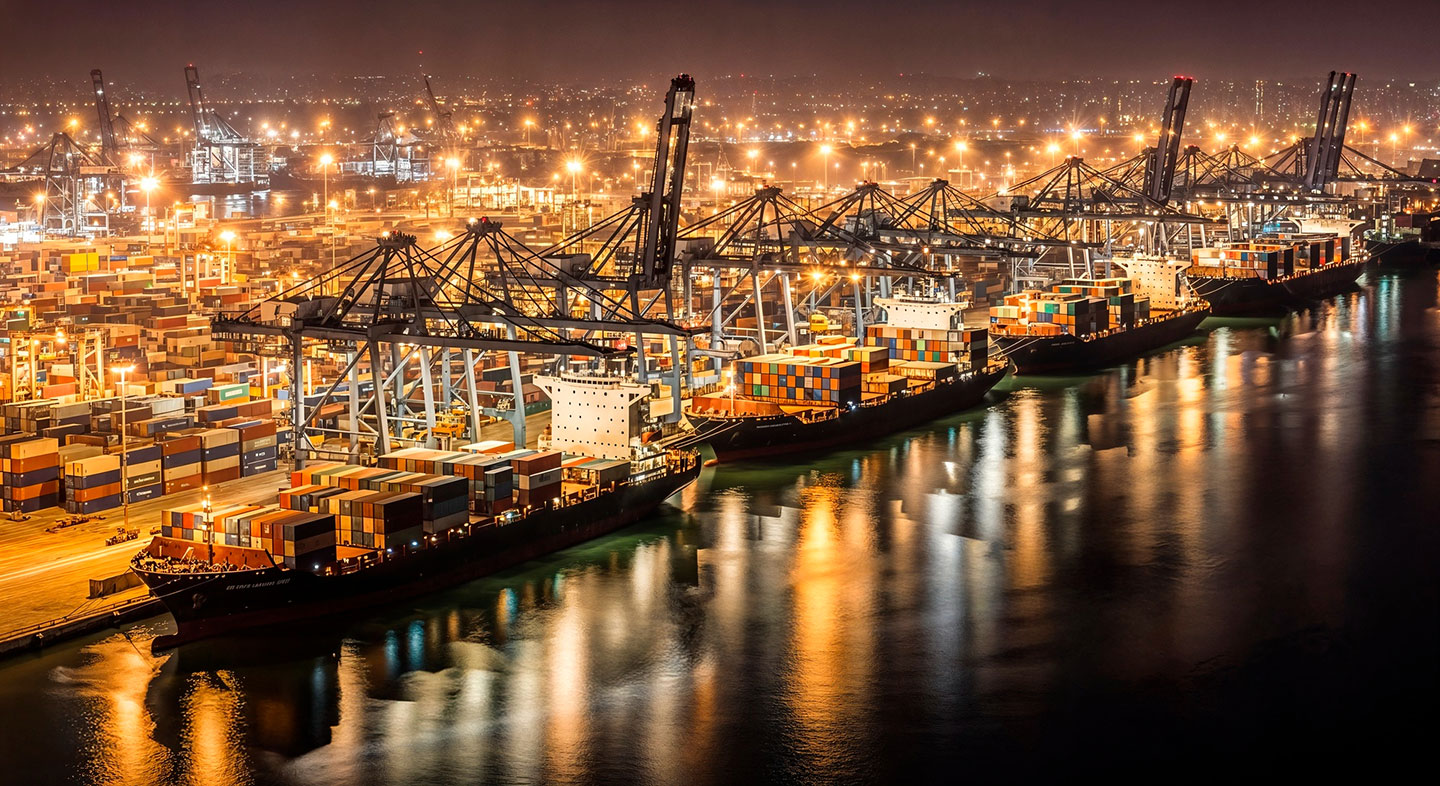
Smart ports rely on integrated systems, cargo-handling robots, precise sensors, and AI-driven management to minimize ship loading and unloading times.
Features of Smart Ports
-
Automated crane control systems
-
Smart energy management
-
Direct connection to the global supply chain
-
Reduction in human error
-
Higher speed and safety
Without the development of smart ports, the future of maritime transportation will not be achievable.
Chapter Eight: 3D Printing and Its Impact on Maritime Transportation
With the advancement of 3D printing, many goods may be produced at the destination and no longer require transportation.
This could change the business model of shipping companies.
Positive Impacts of 3D Printing
-
Reduction in the volume of lightweight cargo
-
Increased demand for raw materials
-
Changes in import and export patterns
Chapter Nine: Cybersecurity in Maritime Transportation
With the digitalization of the maritime industry, the risk of cyberattacks increases. Protecting navigation systems, electronic documents, sensors, and ship data is extremely important.
Cybersecurity Measures
-
Data encryption
-
Use of secure networks
-
Continuous system monitoring
-
Employee training
Conclusion
The shipping industry is on the verge of entering a new era. Artificial intelligence, the Internet of Things, autonomous ships, clean fuels, blockchain, robots, and smart ports are all part of the future of maritime transportation. This future not only enhances the speed and accuracy of global trade but also reduces the environmental impacts of transportation. Companies that adapt to these changes today will be positioned for long-term success.


