The Future of Combined Transportation in Iran
The Future of Combined Transportation in Iran
The future of transportation in Iran is directly tied to the development of combined transportation systems. In today’s world, where speed, cost reduction, and efficiency are among the most important indicators of national competitiveness, the use of combined transportation models has become a necessity. Due to its unique geopolitical position connecting East to West and North to South, Iran has a high potential to become a regional transit hub. Therefore, examining the future of combined transportation in Iran is not only an infrastructural issue but also a strategic and economic matter.
Combined transportation refers to the coordinated use of multiple modes of transport such as road, rail, sea, and air within a single integrated chain. In this model, goods are moved from origin to destination without interruption and with minimal توقف time through a unified network. The future of transportation in Iran depends on developing this very integration and coordination among different sectors.
The Concept of Combined Transportation and Its Position in the Global Economy
Combined or multimodal transportation is one of the main pillars of the modern supply chain. In this system, goods are transported under a single transport contract and centralized management through multiple modes of transport. This method reduces operational costs, shortens delivery time, and increases cargo security.
Globally, countries that have developed combined transportation infrastructure have gained a larger share of international trade. The future of transportation worldwide is moving toward smart systems, digitalization, and full coordination among ports, railways, road terminals, and airports. Iran, in order to compete effectively on a global scale, must invest in this sector.
The Importance of the Future of Combined Transportation for Iran
With simultaneous access to southern open waters and the Caspian Sea in the north, as well as borders with fifteen countries, Iran is considered a potential transit crossroads. This strategic position can fundamentally transform the future of transportation in the country.
If Iran’s rail, road, and port systems are managed in an integrated manner, rapid cargo transfer from Central Asia to the Persian Gulf and vice versa will be possible. This will not only generate foreign currency revenues but also strengthen Iran’s geopolitical position.
The future of transportation in Iran depends on whether policymakers can develop infrastructure in a way that turns combined transportation into a sustainable competitive advantage.
Key Infrastructure in Developing the Future of Transportation
To achieve the future of combined transportation in Iran, several fundamental infrastructures must be strengthened:
1. Development of the Railway Network
Rail transportation is one of the main pillars of combined systems. Trains have high capacity, lower costs, and greater safety compared to road transport. Connecting southern ports such as Shahid Rajaee Port and Imam Khomeini Port to the national railway network plays an important role in shaping the future of transportation.
Completing international railway lines such as the North South route can turn Iran into the main transit path for goods between India, Russia, and Europe.
2. Upgrading Ports and Container Terminals
Ports are recognized as key nodes in the combined transportation chain. Increasing berth depth, expanding container terminals, using advanced cranes, and digitalizing customs procedures are among the measures that will influence the formation of the future of transportation.
3. Improving the Road Network and Logistics Terminals
Road transport still accounts for a significant share of cargo movement in Iran. Establishing modern logistics centers near industrial cities and connecting them to railway lines and ports plays an essential role in developing the future of transportation.

The Role of International Corridors in Iran’s Transportation Future
One of the most important factors influencing the future of transportation is international corridors. Iran is located along several major corridors:
North South Corridor
East West Corridor
China to Europe route
Central Asia to Persian Gulf transit route
Full activation of these corridors can significantly reduce cargo transit time. For example, transporting goods from India to Russia through Iran is shorter and more cost effective than the traditional Suez Canal route. This advantage can turn the future of transportation in Iran into a major economic opportunity.
Modern Technologies and Their Impact on the Future of Transportation
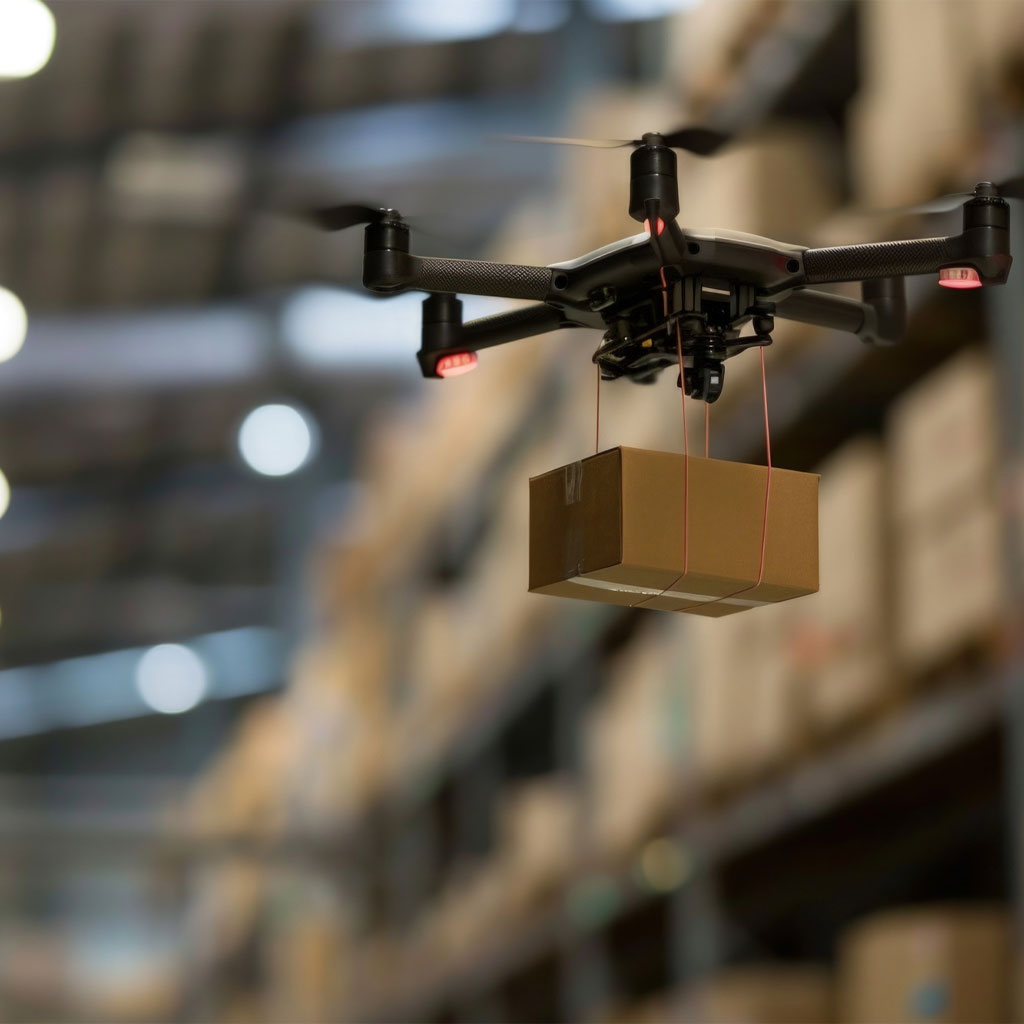
The future of transportation cannot be imagined without modern technologies. Digital transformation in logistics has increased operational speed and accuracy. Some of the most influential technologies include:
Smart Management Systems
The use of integrated supply chain management software improves coordination among different sectors.
Internet of Things
Smart sensors can report the real time location and condition of goods, increasing transparency.
Blockchain
Using blockchain in transport documentation reduces fraud and accelerates customs procedures.
Electric and Low Consumption Vehicles
Given environmental concerns, the future of transportation is moving toward lower emissions. The use of electric trucks and energy efficient trains can reduce fuel costs.
Challenges Facing the Future of Combined Transportation in Iran
Despite significant capacities, there are obstacles to the development of the future of transportation:
Lack of foreign investment
Economic sanctions
Aging part of the road fleet
Lack of full coordination among executive bodies
Lengthy administrative procedures
Addressing these challenges requires management reforms and attracting both domestic and foreign investment.
The Role of the Private Sector in the Future of Transportation
The government alone cannot provide the financial resources required for infrastructure development. Private sector participation can play a decisive role in shaping the future of transportation. Establishing special economic zones, offering tax incentives, and facilitating investment regulations can attract investors.
Private logistics companies, by utilizing modern technologies, can increase productivity and offer competitive services.
The Impact of the Future of Transportation on Exports and National Production
Reducing cargo transportation costs means increasing the competitiveness of Iranian producers in global markets. If the future of combined transportation is managed properly, delivery times will decrease and foreign buyer confidence will increase.
Petrochemical industries, steel, agricultural products, and industrial goods will all benefit from improved transportation infrastructure.
Environmental Dimensions of the Future of Transportation
The development of combined transportation can help reduce fuel consumption and greenhouse gas emissions. Shifting freight from road to rail is one of the most effective ways to reduce pollution.
A sustainable future of transportation in Iran requires serious attention to environmental standards, the use of clean energy, and fuel consumption optimization.
Ten Year Outlook for Transportation in Iran
Based on development plans, it is predicted that within the next ten years:
The share of rail transportation will increase
Southern ports will expand further
Modern logistics centers will be established around major cities
Customs procedures will become digitalized
Iran’s role in regional transit will strengthen
If these plans are implemented cohesively, the future of transportation in Iran can become a successful model in the region.
Practical Solutions to Strengthen the Future of Combined Transportation
To achieve the stated goals, the following actions are recommended:
Formulating an integrated national transportation strategy
Attracting foreign investment through long term contracts
Developing specialized logistics education
Simplifying customs regulations
Strengthening regional cooperation
Implementing these solutions can pave the way for developing the future of transportation.
Conclusion
The future of combined transportation in Iran strongly depends on today’s decisions. Its strategic geographic location, access to open waters, extensive road network, and railway development capacity are all valuable opportunities. However, without precise planning, continuous investment, and the use of modern technologies, these opportunities will not become competitive advantages.
The future of transportation is not only an infrastructural issue but also an economic, political, and even environmental matter. If Iran can bring its combined transportation system up to global standards, it can become one of the main transit centers in the region and capture a significant share of international trade.
Ultimately, the sustainable development of the future of transportation requires cooperation between the government, the private sector, and international institutions. Only through such synergy can Iran achieve its rightful position in the global transportation network.