
Impact of Climate Change on International Shipping Routes
Impact of Climate Change on International Shipping Routes
Introduction
Maritime transportation is considered the backbone of global trade, and more than ninety percent of the world’s commodity exchanges are carried out by sea. In this context, shipping routes, as vital arteries of the global economy, play a decisive role in delivery time, transportation costs, and supply chain security. However, in recent decades, climate change has become one of the most significant challenges facing the maritime transportation industry.
Rising global temperatures, melting polar ice, sea level rise, increasing maritime storms, and changing weather patterns are all factors that have directly and indirectly affected international shipping routes. These changes have not only disrupted traditional shipping planning but have also transformed the future of this industry.
This article comprehensively examines how climate change has altered shipping routes, what opportunities and threats it has created, and how the maritime transportation industry can adapt to these new conditions.
What Is Climate Change and Why Is It Important?
Climate change refers to long term changes in temperature patterns, precipitation, wind, and other climatic indicators. This phenomenon is mainly caused by human activities such as greenhouse gas emissions, fossil fuel consumption, and environmental degradation.
The importance of climate change in maritime transportation lies in the fact that seas and oceans are most affected by these changes. Rising water temperatures, altered ocean currents, and unstable weather conditions directly impact the safety and efficiency of shipping routes.
Impact of Rising Global Temperatures on Shipping Routes
One of the most significant consequences of climate change is the increase in the average global temperature. This rise has multiple implications for shipping routes.
Higher sea water temperatures affect water density and ocean current patterns. These changes can alter traditional shipping routes in terms of travel time and fuel consumption. Vessels that have used specific routes for years now face different conditions that require revising navigation plans.
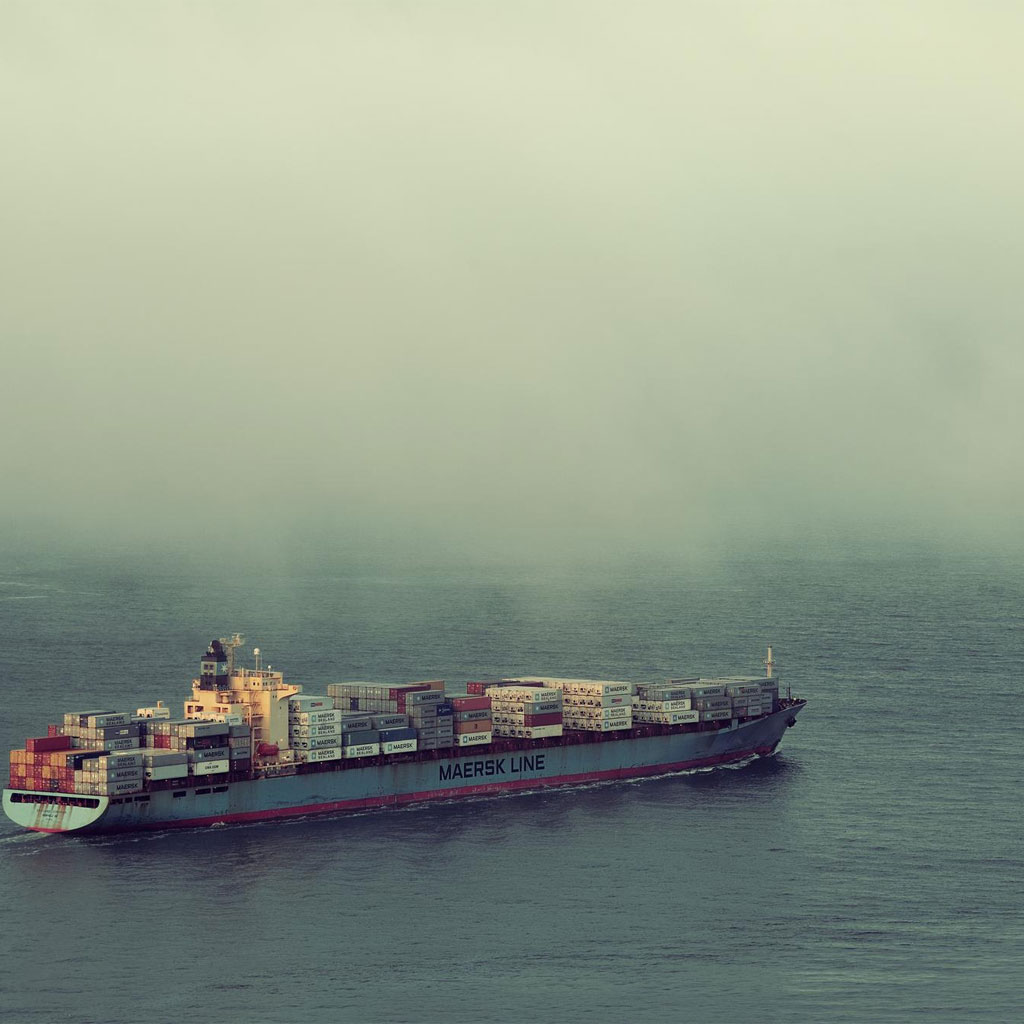
Additionally, rising temperatures intensify evaporation and increase humidity, which can reduce maritime visibility and make navigation along shipping routes more difficult.
Melting Polar Ice and the Creation of New Shipping Routes
One of the most significant developments caused by climate change is the melting of ice in the Arctic and Antarctic regions. This phenomenon has had a profound impact on international shipping routes.
The melting of polar ice has opened new maritime routes that were previously inaccessible. Routes such as the Northern Passage, which connects Europe to Asia, are now considered shorter alternatives to traditional shipping routes.
These new shipping routes can significantly reduce transit time and fuel consumption. However, challenges such as inadequate infrastructure, floating ice hazards, and environmental concerns still exist.
Increase in Maritime Storms and Insecurity of Shipping Routes
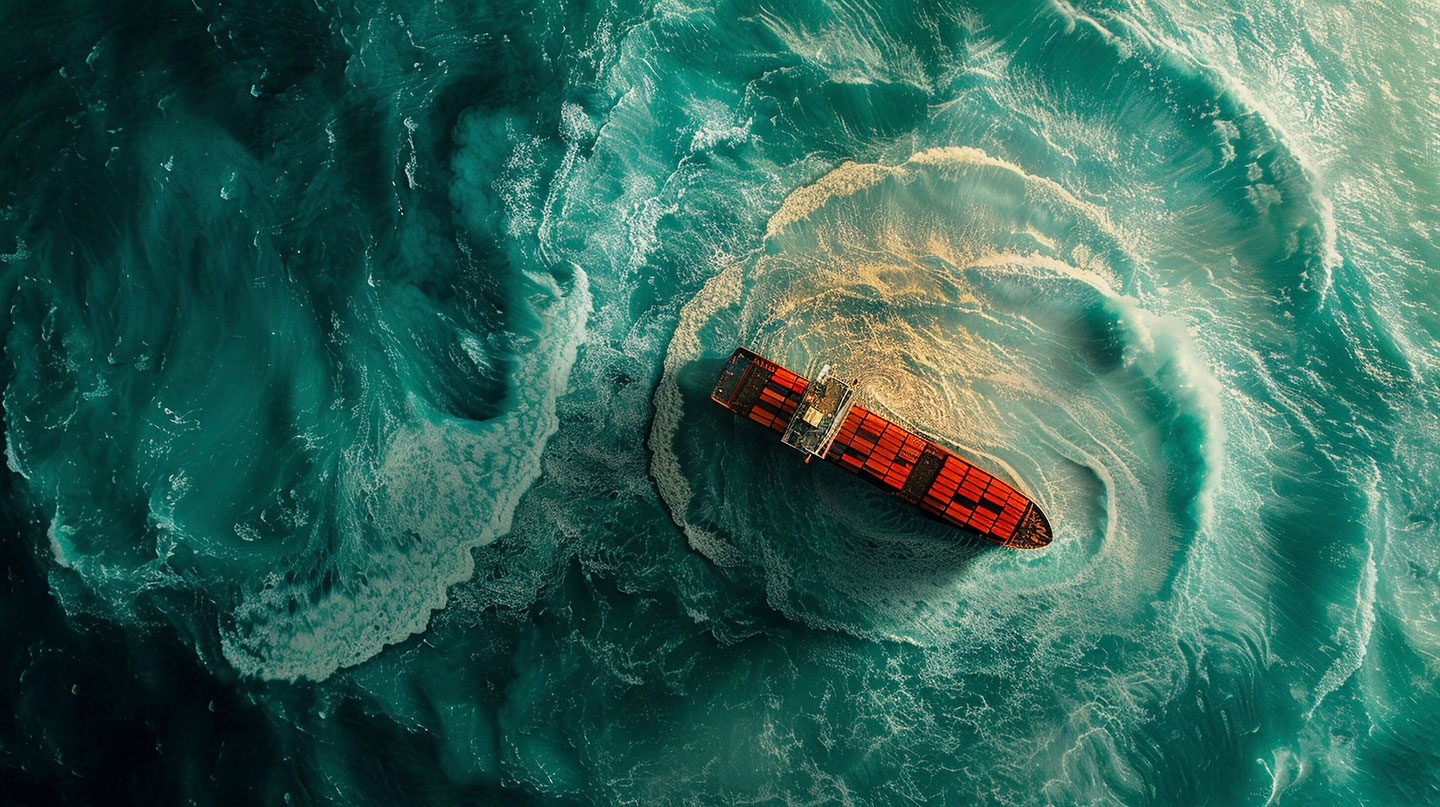
Another consequence of climate change is the increase in the intensity and frequency of maritime storms. These storms pose a serious threat to the safety of shipping routes.
Severe storms can force vessels to change course suddenly, delay cargo delivery, and even cause serious damage to ships. In some cases, shipping companies are compelled to choose longer routes to avoid high risk areas.
These changes have led to higher transportation costs and reduced predictability in shipping routes, directly affecting the global supply chain.
Sea Level Rise and Its Impact on Ports and Shipping Routes
Sea level rise is another outcome of climate change that significantly affects ports and shipping routes.
Many major ports around the world are located in low lying coastal areas. Rising sea levels can lead to port flooding, infrastructure damage, and restricted access for vessels. This directly impacts the efficiency of shipping routes and may result in changes to trade routes.
In some regions, ports and maritime access routes need to be redesigned to adapt to new conditions.
Changes in Wind Patterns and Their Impact on Maritime Navigation
Winds play an important role in maritime navigation, especially for vessels that rely on wind power or a combination of wind and engines. Climate change has altered wind patterns.
These changes can affect vessel speed and cause some shipping routes that were previously efficient to become less optimal. Shipping companies must continuously update their routes using new meteorological data.
Impact of Climate Change on Shipping Route Costs
All the changes discussed so far ultimately lead to increased maritime transportation costs. Route changes, longer travel times, higher fuel consumption, and the need for more expensive insurance all contribute to rising costs.
Higher costs along shipping routes increase the final price of goods for consumers. This can affect the competitiveness of countries and companies in global trade.
The Role of Technology in Adapting Shipping Routes to Climate Change
Technology plays a key role in addressing the challenges posed by climate change. The use of advanced weather forecasting systems, artificial intelligence, and satellite data helps shipping companies choose safer and more efficient shipping routes.
Route management software can analyze weather and sea conditions to recommend optimal routes and prevent vessels from passing through high risk areas. These technologies help reduce risks and costs.
Climate Change and the Reassessment of Traditional Shipping Routes
Traditional shipping routes that were used for years without change now require reassessment. Changing climatic conditions have made some routes unsafe or uneconomical.
At the same time, new routes are emerging that could reshape the global trade map. This reassessment requires cooperation among governments, shipping companies, and international organizations.
Impact of Climate Change on Long Term Shipping Planning
Maritime transportation companies can no longer rely solely on historical data. Long term planning for shipping routes must be based on multiple climate scenarios.
This has increased the importance of investment in research and development, workforce training, and the development of climate resilient infrastructure.
The Role of International Regulations in Managing Shipping Routes
International organizations are developing new regulations to reduce the effects of climate change on maritime transportation. These regulations include reducing greenhouse gas emissions, using cleaner fuels, and improving shipping route safety.
While implementing these regulations can support the long term sustainability of shipping routes, they may impose short term costs on the industry.
Impact of Climate Change on the Competitiveness of Shipping Routes
Shipping routes that can adapt more quickly and safely to climate change will gain greater competitive advantages. Countries and ports that invest appropriately can capture a larger share of global trade.
Conversely, routes that ignore climate change risks may gradually lose their importance.
The Future of Shipping Routes Under Climate Change Conditions
The future of shipping routes largely depends on how the maritime transportation industry responds to climate change. Northern routes are expected to gain greater importance, while traditional routes may undergo significant changes.
The use of smart vessels, clean fuels, and advanced management systems will become an integral part of future shipping routes.
Final Conclusion
Climate change has become one of the most influential factors affecting international shipping routes. From melting polar ice to increased maritime storms and rising sea levels, all pose serious challenges to the maritime transportation industry.
A proper understanding of the impact of climate change on shipping routes helps companies and industry stakeholders make smarter decisions, reduce risks, and manage costs. The future of global trade largely depends on our ability to adapt to these changes.
Although shipping routes are under pressure from climate change, they can continue to play a key role in the global economy through the use of technology, precise planning, and international cooperation.


