
How Does Fuel Price Increase Change Transportation Costs?
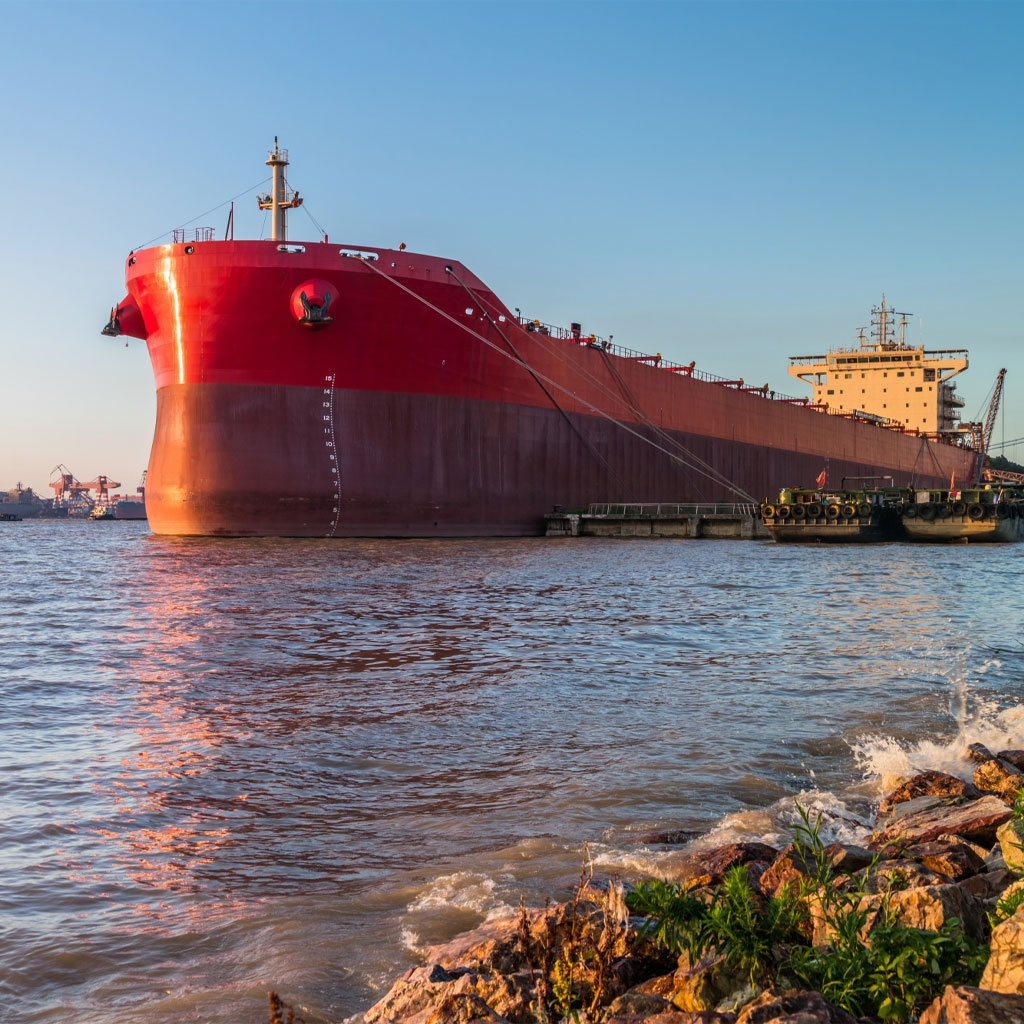
Maritime transportation is the backbone of global trade. More than 80 percent of international trade is carried out by sea. Cargo ships require fuels such as bunker oil and diesel to operate.
When a fuel price increase occurs:
- The cost of each voyage rises
- Container shipping rates increase
- Shipping companies impose an additional charge called Bunker Adjustment Factor on customers
As a result, exporters and importers are forced to pay more, and the final price of goods in the market increases.
2. Impact of Fuel Price Increase on Land Transportation
Trucks, trailers and other land transport vehicles are among the biggest fuel consumers in the supply chain.
With a fuel price increase:
- Intercity freight rates increase
- Domestic distribution costs in the destination country rise
- Distribution companies are forced to increase service prices
This is especially significant for fast-moving goods such as food products, hygiene items and daily-use consumer goods.
3. Increase in Air Transportation Costs
Air freight is the most expensive transportation method in the world, and more than 30 percent of its total costs come from fuel.
When a fuel price increase occurs:
- Airlines add fuel surcharges to customer invoices
- Air cargo rates rise sharply
- Some companies are forced to shift from air freight to sea or land transportation
This slows down the trade of time-sensitive goods.
The Impact of Fuel Price Increase on the Final Price of Goods
When transportation costs rise, companies typically add these costs to the final price of products.
Fuel price increase leads to:
- Growth in the price of imported goods
- Higher export prices and reduced competitiveness
- Increase in raw material costs
- Higher prices of manufactured products
In this way, a fuel price increase creates an inflationary cycle that affects all countries dependent on global trade.
Changes in Trade Routes and Strategic Decisions of Companies
Companies are forced to adopt new strategies when facing a fuel price increase. Some of these changes include:
1. Changing Cargo Routes
Some sea routes are longer and require more fuel.
With a fuel price increase:
- Companies choose shorter routes
- They avoid congested routes with long waiting times
- Polar routes or rail alternatives replace traditional paths
2. Changing the Mode of Transportation
Businesses may do the following to reduce fuel costs:
- Reduce air freight
- Shift to sea transport instead of air
- Use rail freight more often
- Use low consumption or electric trucks
3. Cargo Consolidation
To cope with a fuel price increase, companies consolidate shipments to reduce the cost per unit weight.
The Impact of Fuel Price Increase on Warehousing and Inventory Management
The increase in fuel prices not only raises transportation costs, but also changes the behavior of companies in inventory management.
- Companies place larger orders instead of frequent small ones
- They keep more stock in warehouses
- Warehousing costs rise
- Cash flow management becomes more difficult
As a result, a change in fuel price can transform the entire inventory flow system.
Macroeconomic Effects of Fuel Price Increase on the Global Supply Chain
The macro-level impacts of higher fuel prices include:
- Slower global trade flow
- Higher global inflation
- Reduced consumer purchasing power
- Disruption in competitiveness among countries
- Changes in consumption patterns
Fuel-importing countries suffer more, while energy-producing nations gain higher revenues.
Global Solutions for Addressing Fuel Price Increase

1. Investment in Clean Fuels
Using fuels such as LNG, biodiesel or hybrid energy systems in ships reduces fossil fuel consumption.
2. Use of Low Consumption Ships
New generation ships consume less fuel and some even use hybrid technologies.
3. Digitalization
Using smart route management systems reduces fuel consumption. These systems:
- Choose shorter routes
- Avoid maritime congestion
- Optimize vessel speed
4. Expansion of Rail Transportation
Rail freight is one of the most fuel efficient transport modes, and many countries have shifted toward it to reduce the effect of fuel price increase.
Conclusion
The fuel price increase is one of the most significant factors impacting the global supply chain. It can raise costs, change transport routes, increase product prices and even reshape the structure of global trade. To respond effectively, companies must adopt new technologies, improve resource management, use clean transportation methods and optimize their routes.
In a world where fuel plays a vital role, any change in its price can create major waves across global trade. Therefore, understanding the effects of fuel price increase and preparing appropriate strategies is essential for all businesses operating in international commerce.